

The Benefits of Spelling Analysis
-

Speech to Print
Spelling analysis begins by saying the word, sounding it out, then writing it. This helps students make the vital connection that how a word sounds is directly linked to how it is spelled.
-

Multisensory
With Spelling Analysis, students hear, say, write, and see the word. This multimodal approach engages multiple areas of the brain which speeds up the learning process.
-

Develops Spelling Fluency
Students who understand the relationship between the word's pronunciation, spelling, and meaning learn to spell more quickly and accurately.
-
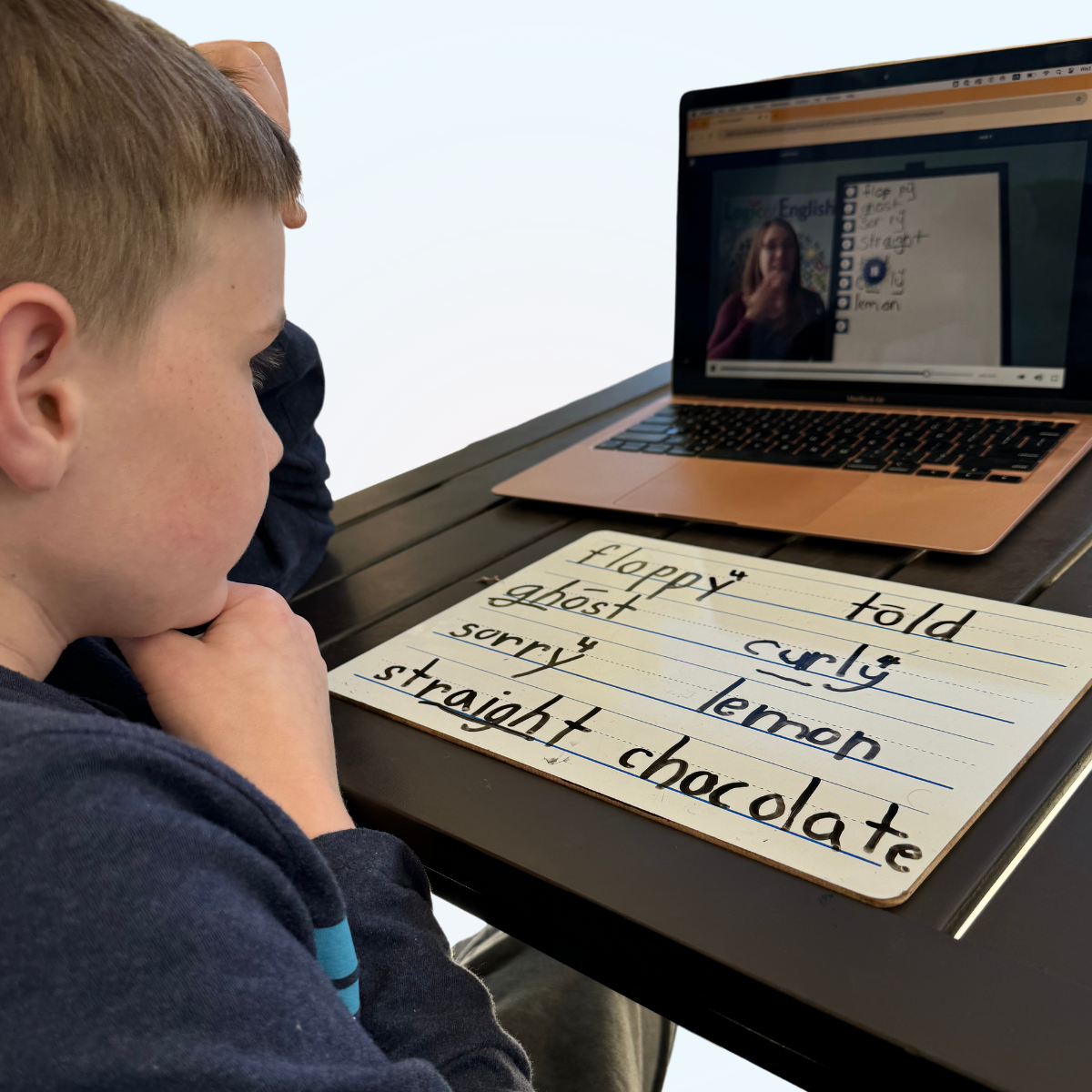
Develops Reading Fluency
Reading and spelling are related skills. Research shows that improving spelling brings about immediate improvements in reading fluency (Ouellette et al., 2017).
-

Builds Independence Analyzing Words
Students who are taught how to analyze the spelling of words have the invaluable skill of being able to analyze any words and understand the logic of the spelling.
-

Integrates Phonemic Awareness and Phonics
With Spelling Analysis, students develop a clear understanding of how phonemic awareness and phonics work together.


Replace the rote memorization of letters with an understanding of English spelling.
Key Components of Spelling Analysis
-

Sound Out the Word
(Johnston & Watson, 2004)
-

Write the Word
(Cunningham & Stanovich, 1990)
-

Analyze the Spelling
(Johnston & Watson, 2004)
-

Blend the Sounds To Read the Word
(Johnston & Watson, 2004)


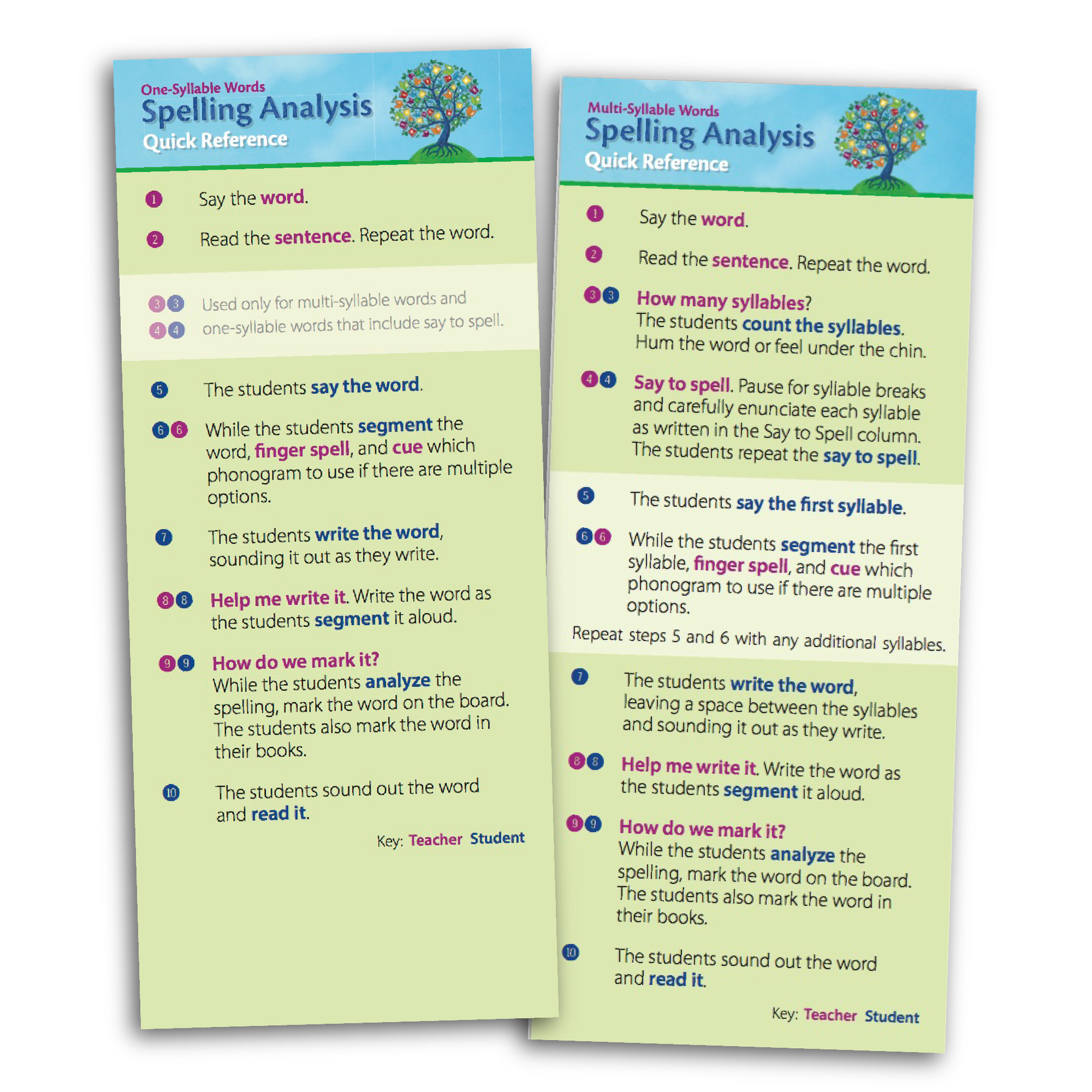
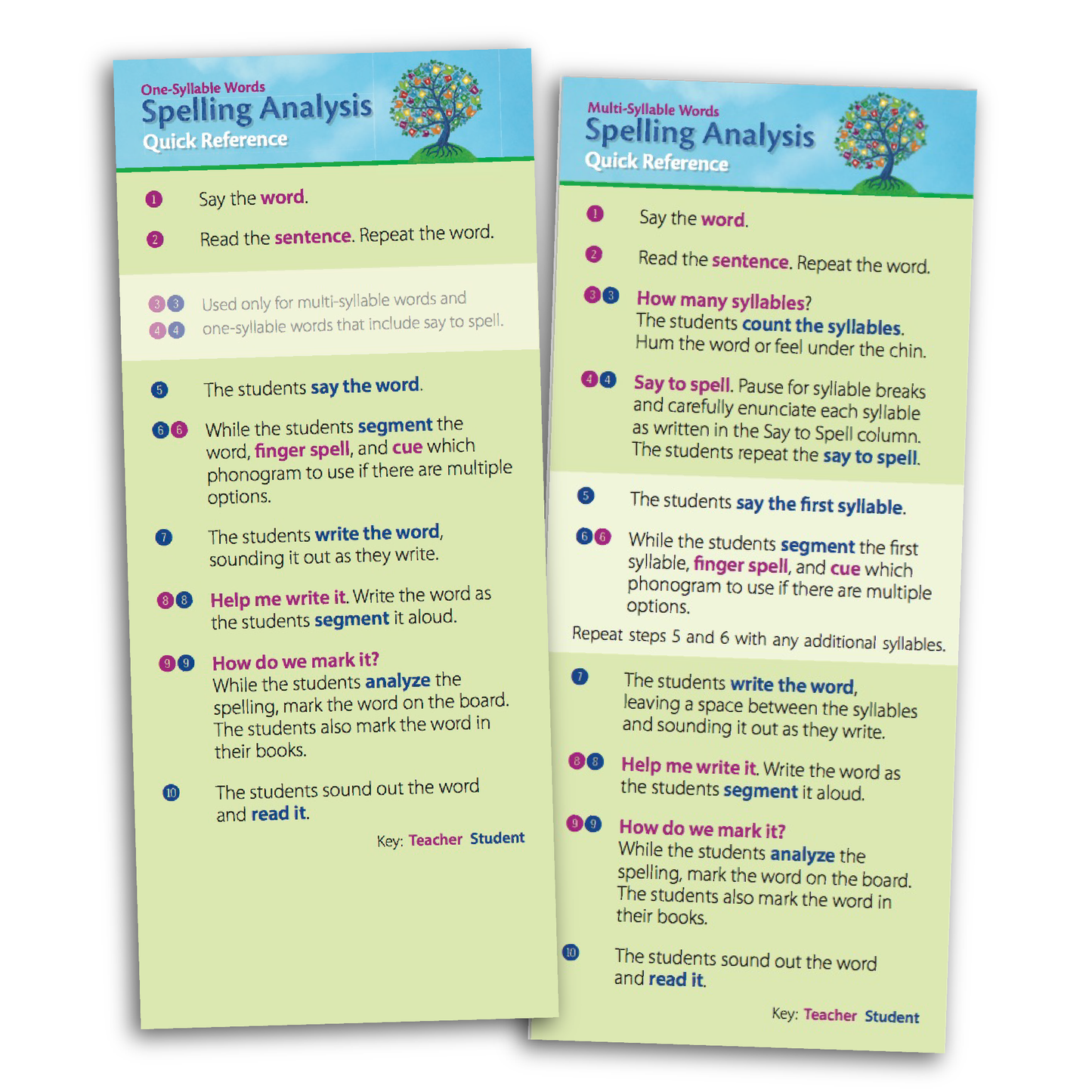
Spelling Analysis: One-Syllable Words Without Schwa

Hear & Say the Word
- The teacher says the word.
- The teacher uses the word in a sentence.
- The student repeats the word.

Segment & Finger Spell
While the student segments the word, the teacher holds up:
- One finger if the sound is spelled with one letter,
- Two fingers if the sound is spelled with two letters,
- Three fingers if the sound is spelled with three letters,
- Four fingers if the sound is spelled with four letters.

Write the Word.
- The student writes the word sounding it out as they write it.
- The student sounds out the word again. This time the teacher writes the word on the board sound by sound as the student segments.

Analyze & Read
The teacher and students analyze the word together, underlining multi-letter phonograms, taking note of spelling rules used within the word, and drawing attention to morphemes.
Spelling analysis concludes with reading the word sound by sound and blending it together to say the word one final time.
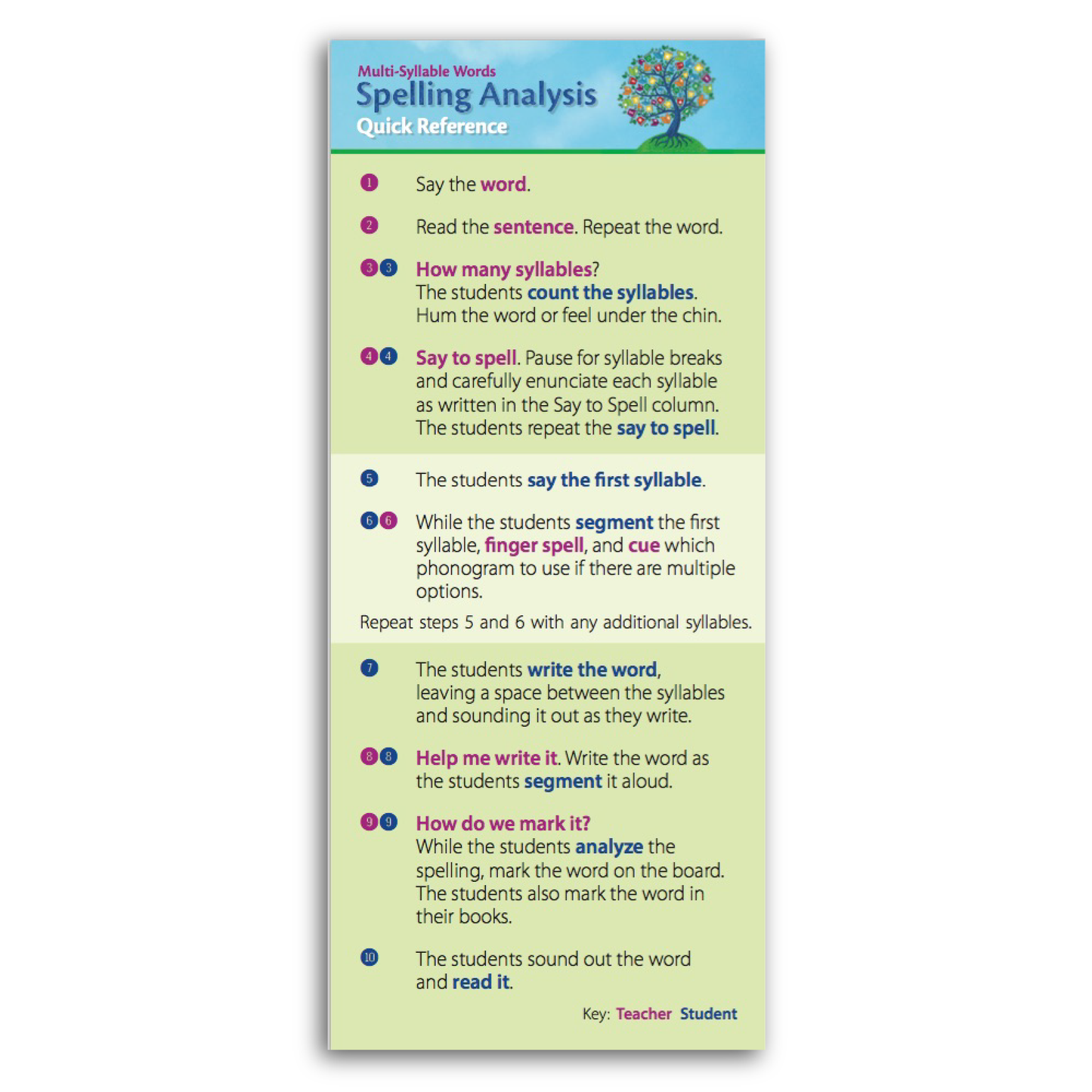
Add Say-to-Spell
Multisyllabic Words & Words With Schwa

What is say-to-spell?
Say-to-spell is a way to pronounce a word that provides vital information about the word including:
- Syllable breaks
- Double consonants
- The vowel sound schwa would say if it were stressed.

Why say-to-spell?
Say-to-spell is a valuable way to provide students vital information about a word as part of Spelling Analysis. It is also a valuable tool for mastering English spelling. People who use say-to-spell as a strategy spell more accurately. In addition, say-to-spell helps students to learn how to read and spell words more quickly than other methods (Ehri 2020; Oacl & Ehri, 2017; Drake & Ehri, 1984).
How to Say-to-Spell

Pause Between Syllables
Articulate Double Consonants
Equally Stress the Vowels
Say-to-Spell in Action
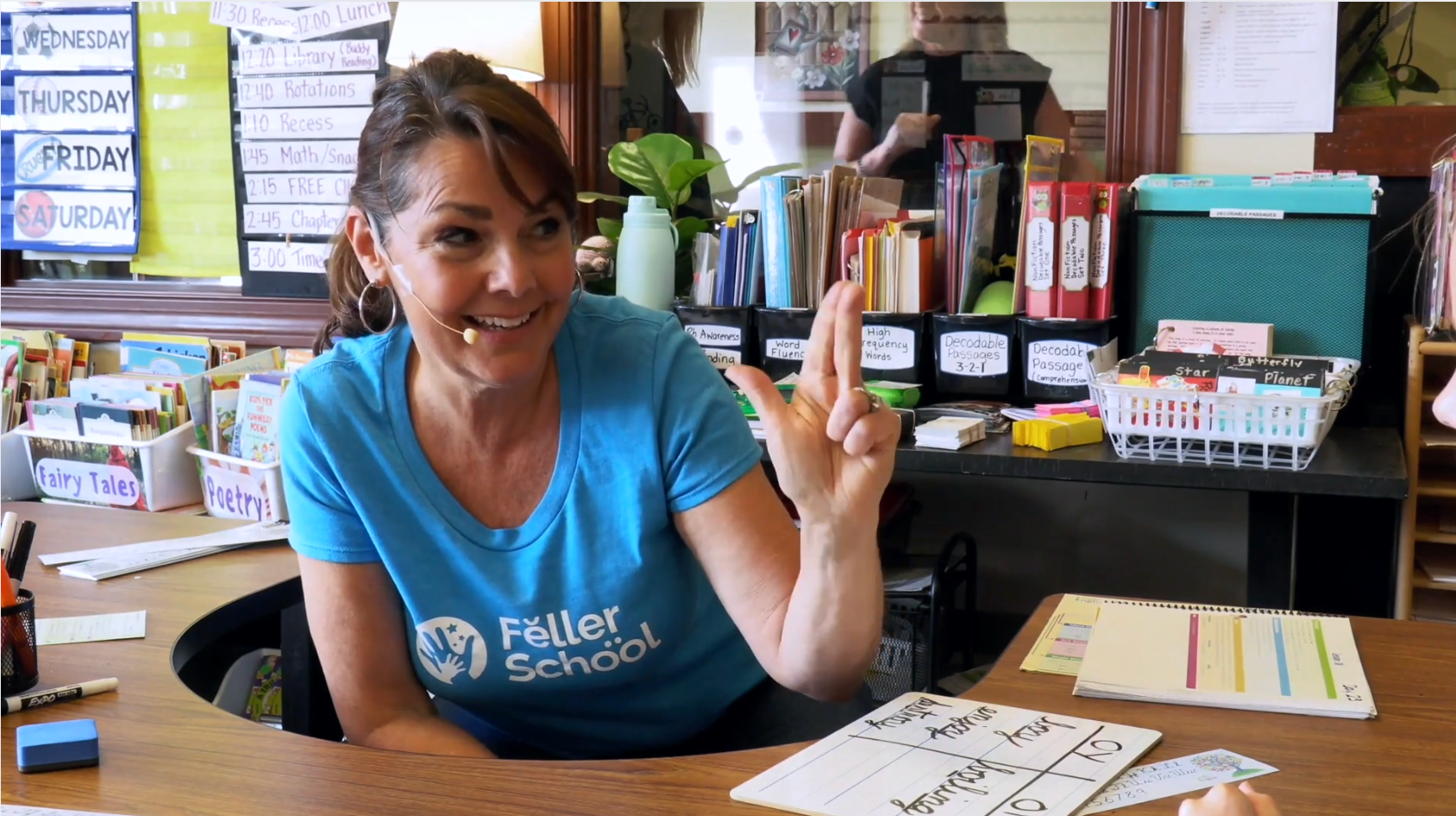
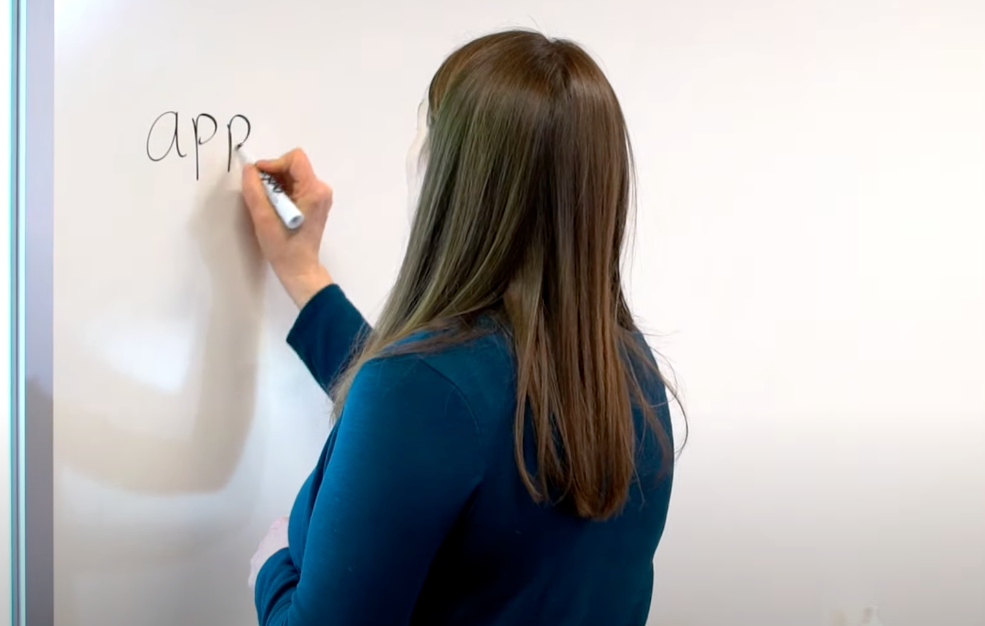
Watch an educator at Feller School use the say-to-spell technique to help students analyze the spelling of a multisyllabic word.
Logic of English Teacher Training
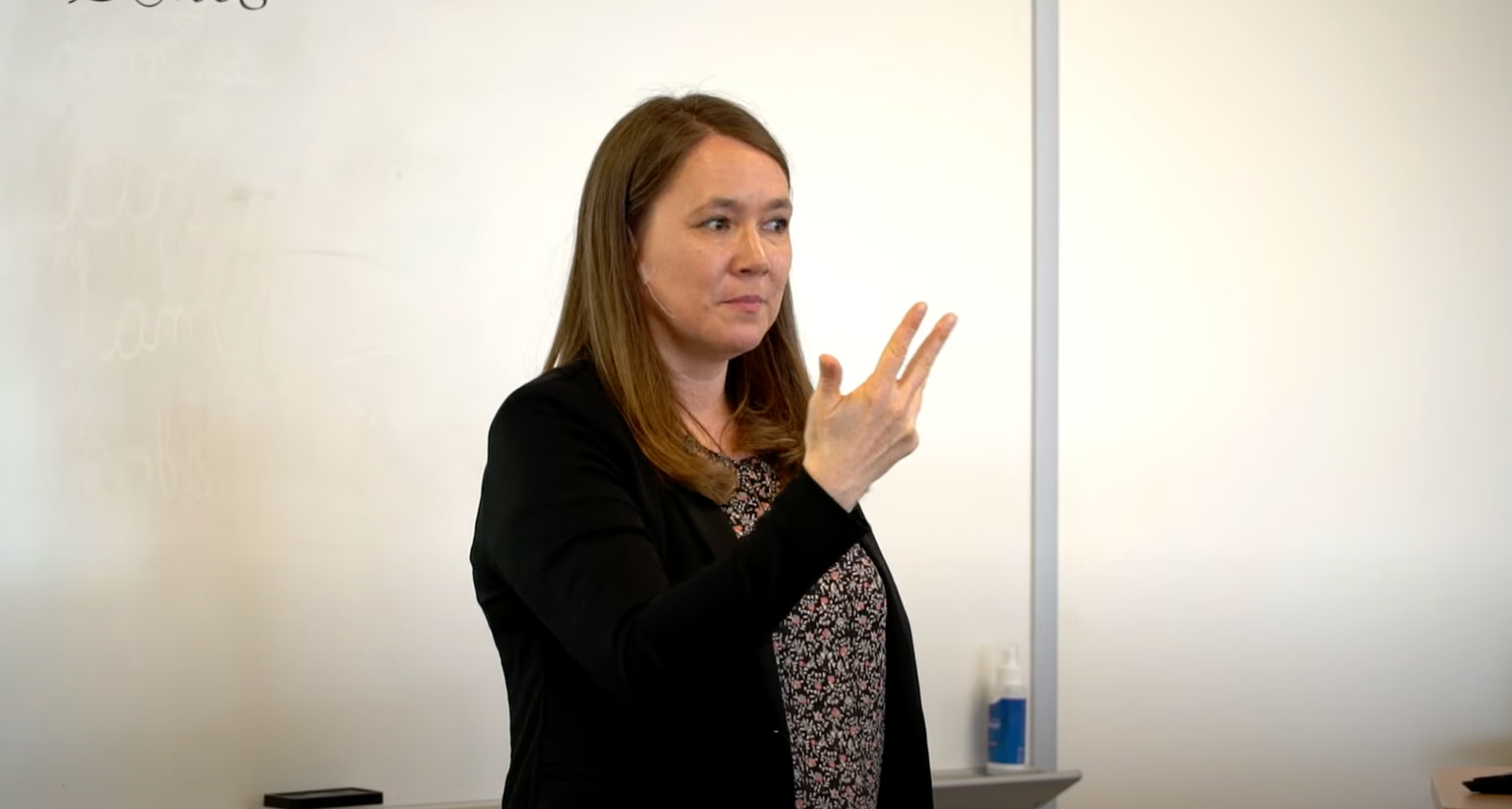
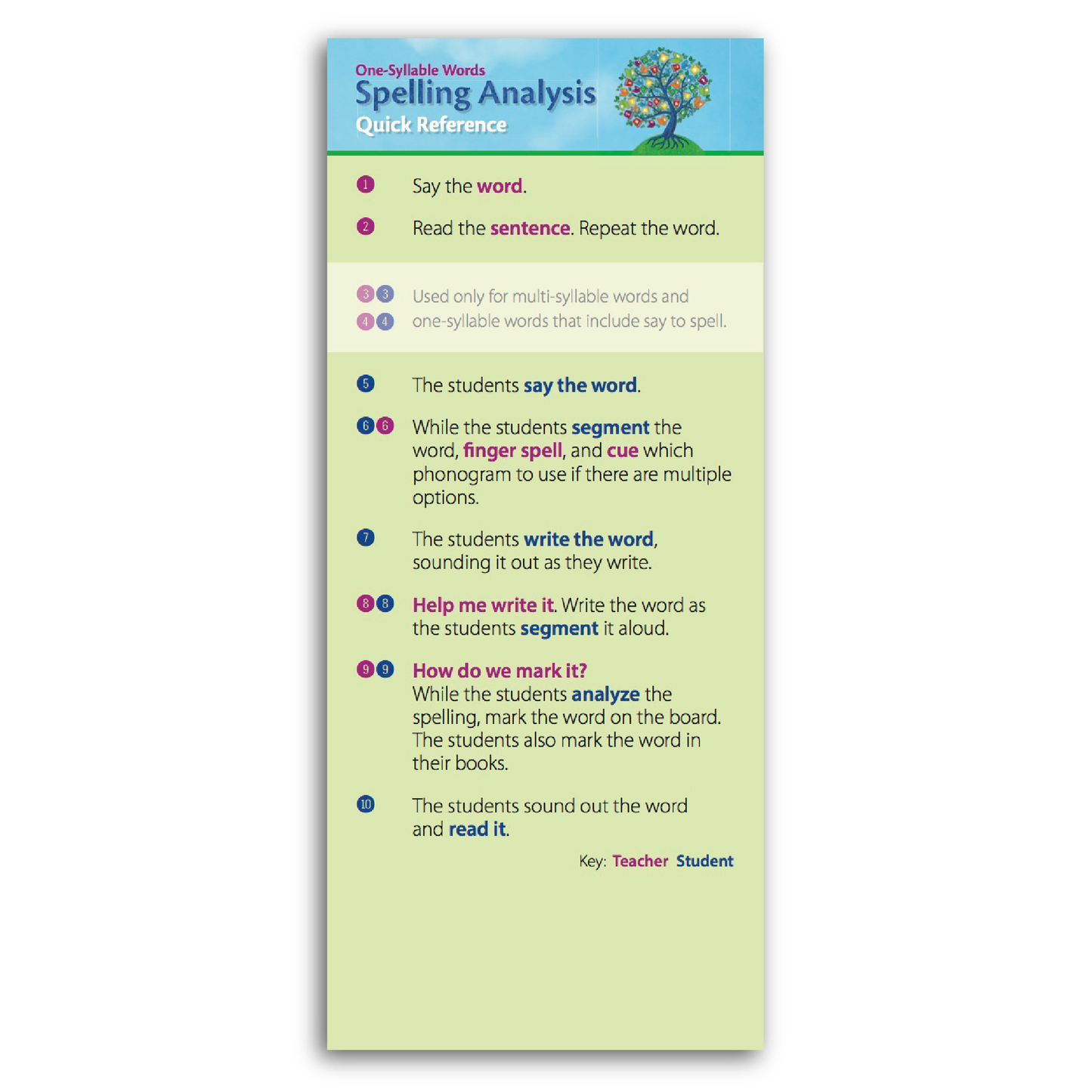
Spelling Analysis: One-Syllable Words
Learn how to teach spelling analysis with one-syllable words.
Logic of English Teacher Training 2019
Spelling Analysis: Multisyllabic Words Without Schwa
Logic of English Teacher Training 2019
Spelling Analysis: Multisyllabic Words With Schwa
Logic of English Teacher Training 2019


Regular price
$ 2.99 USD
Sale price
$ 2.99 USD
Regular price
Unit price
per
Shipping calculated at checkout.
Free Spelling Analysis Videos
Spelling analysis for every lesson in Foundations A-D, as well as Essentials 1-30 (Levels A & B), can be viewed for free on our YouTube channel.
Shop Curriculum
-

Foundations
An evidence-based curriculum that equips young students for reading success.
Foundations
72 products -

Essentials
A spelling, vocabulary and grammar curriculum for students who need to strengthen...
Essentials
47 products


References
Cunningham, A. E., & Stanovich, K. E. (1990). Early Spelling Acquisition: Writing Beats the Computer. Journal of Educational Psychology, 82(1), 159–162. https://doi.org/10.1037/0022-0663.82.1.159
Drake, D. A., & Ehri, L. C. (1984). Spelling Acquisition; Effects of Pronouncing Words on Memory for Their Spellings. Cognition and Instruction, 1(3), 297–320. https://doi.org/10.1207/s1532690xci0103_2
Ehri, L. C. (2020). The Science of Learning to Read Words: A Case for Systematic Phonics Instruction. Reading Research Quarterly, 55(S1), S45–S60. https://doi.org/10.1002/rrq.334
Johnston, R. S., & Watson, J. E. (2004). Accelerating the development of reading, spelling and phonemic awareness skills in initial readers. Reading and Writing, 17(4), 327–357. https://doi.org/10.1023/b:read.0000032666.66359.62
Ocal, T., & Ehri, L. C. (2017). Spelling pronunciations help college students remember how to spell difficult words. Reading and Writing, 30(5), 947–967. https://doi.org/10.1007/s11145-016-9707-z
Ouellette, G., Martin-Chang, S., & Rossi, M. (2017). Learning From Our Mistakes: Improvements in Spelling Lead to Gains in Reading Speed. Scientific Studies of Reading, 21(4), 350–357. https://doi.org/10.1080/10888438.2017.1306064