

Rhythm of Handwriting Instruction
Teach students to develop fluid, legible handwriting.
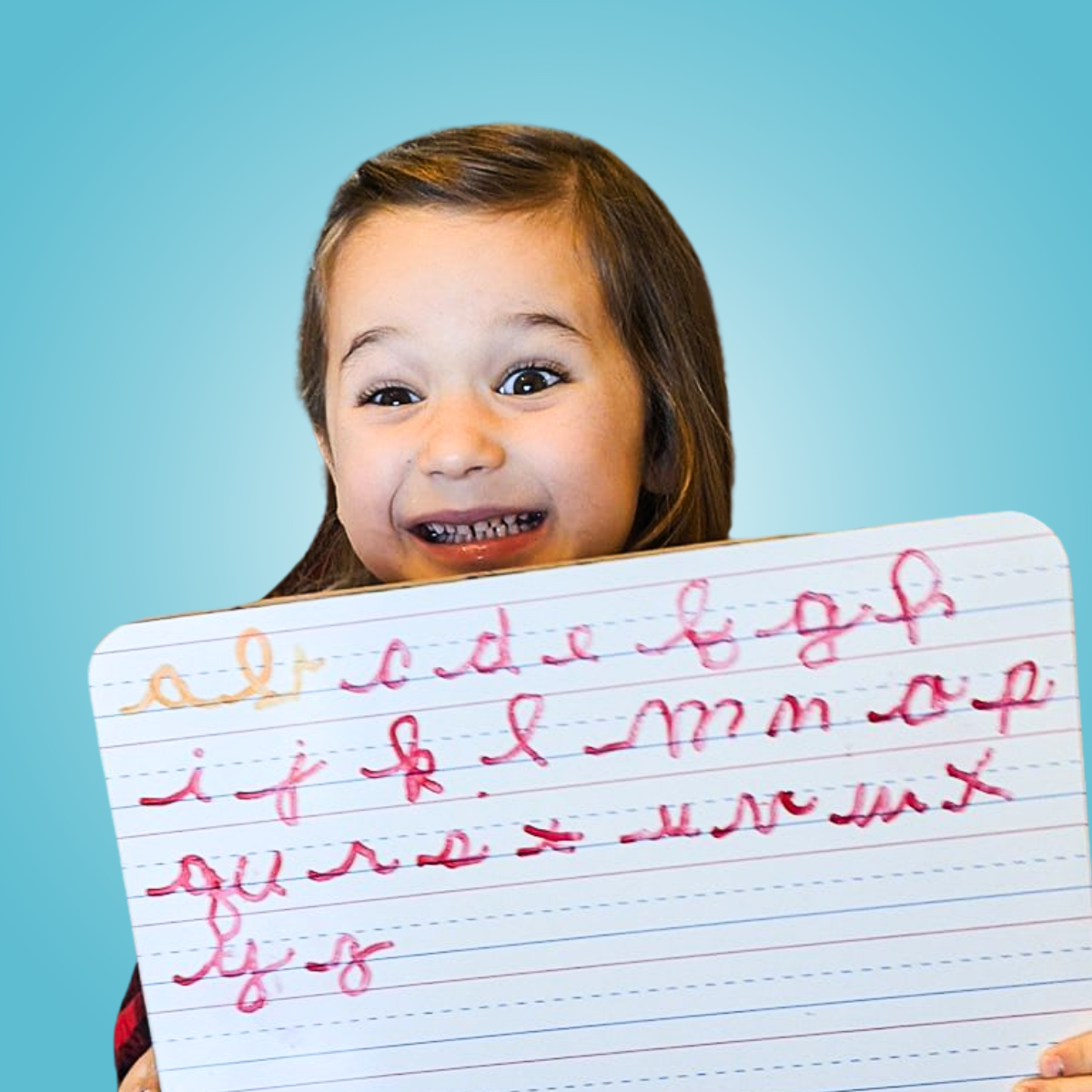
Explicit, Systematic Instruction
Easy, systematic instructions provide students with an understanding of how to write each letter and where it is placed on the lines.

Rhythmic Phrases
Emphasize the rhythmic motions with short, memorable phrases for how to form each letter.
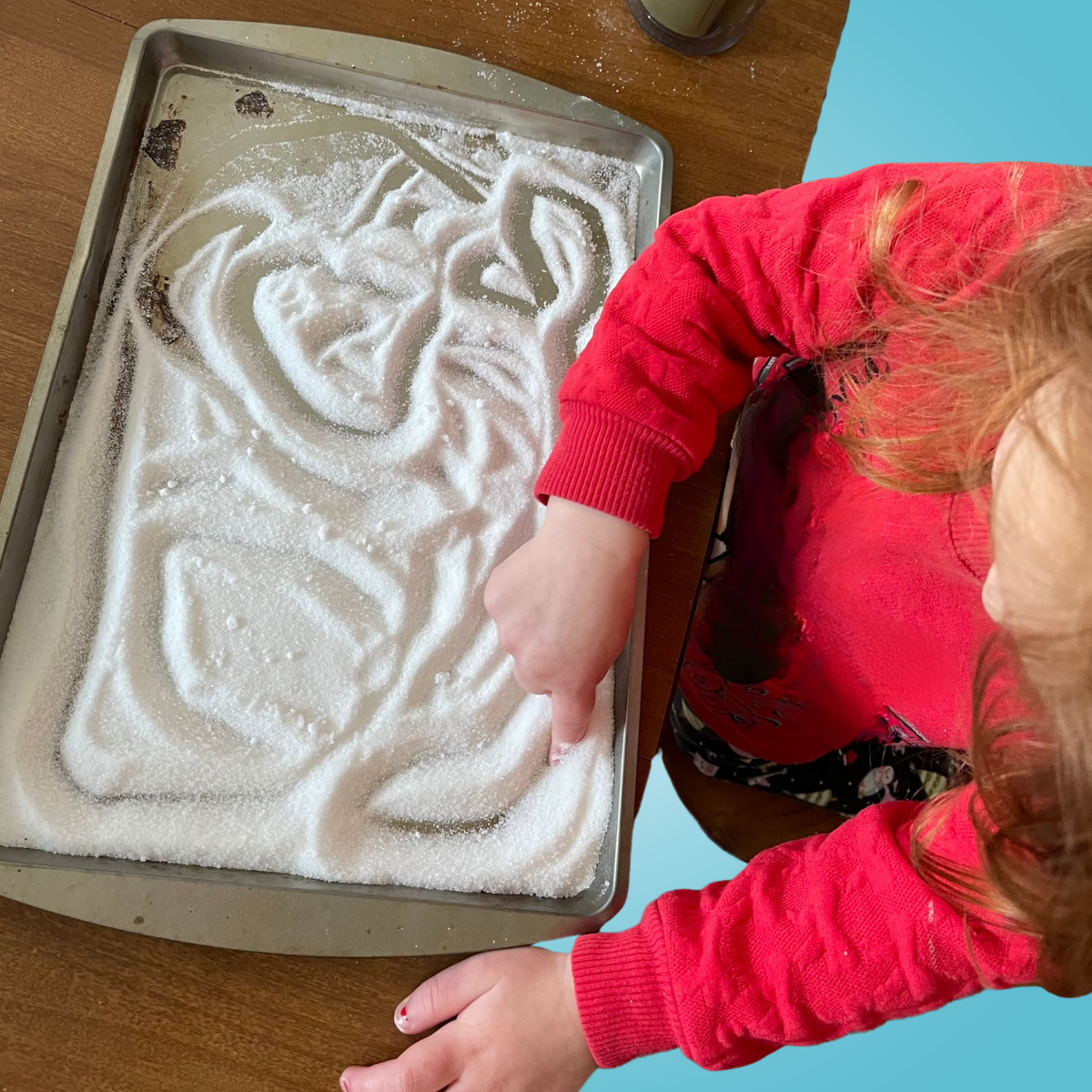
Begin Large Motor, Transition to Fine Motor
Teach how to form each letter with large-motor movements before advancing to writing with a pencil.
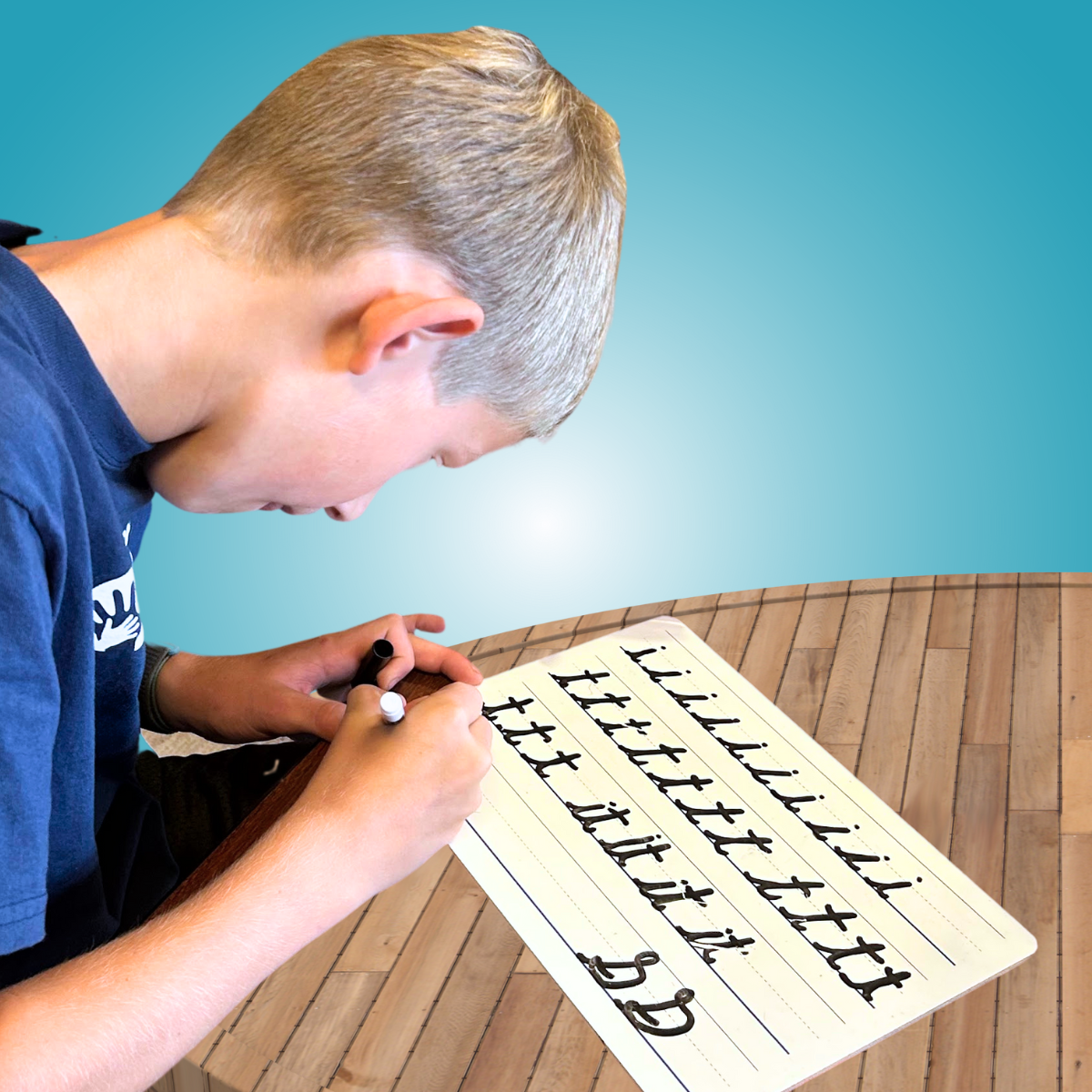
Grouped by Stroke
Letters are grouped by initial strokes to simplify the learning process and encourage the development of automatic muscle memory.
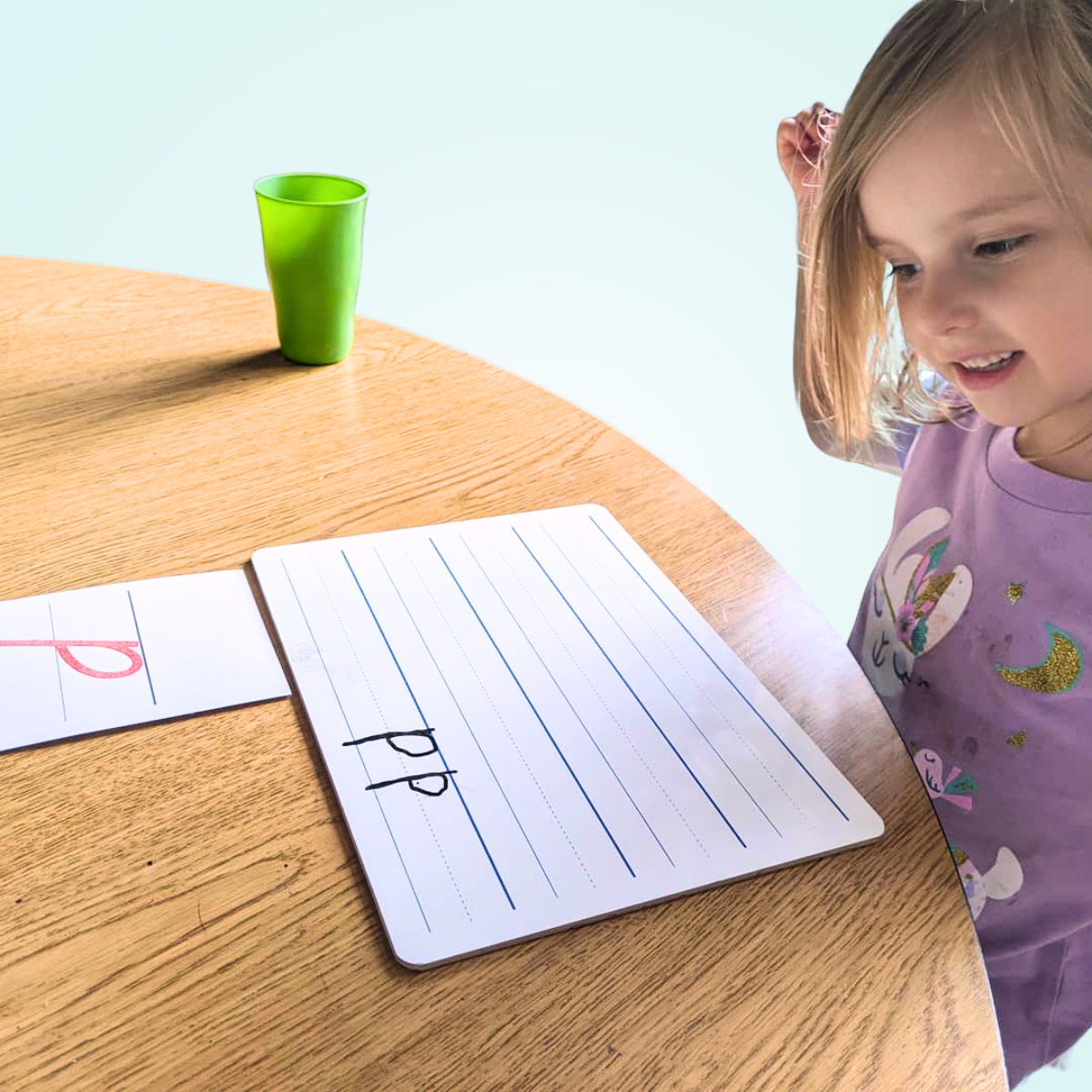
Begin with Lowercase
By introducing lowercase letters first, students master the letters that comprise a vast majority of all that we read and write. This also minimizes students mixing upper- and lowercase within words.

Teacher Supports
Quick references, instructions on the tactile cards, wall cards, and online videos provide support to teachers.
Components of Rhythm of Handwriting
-
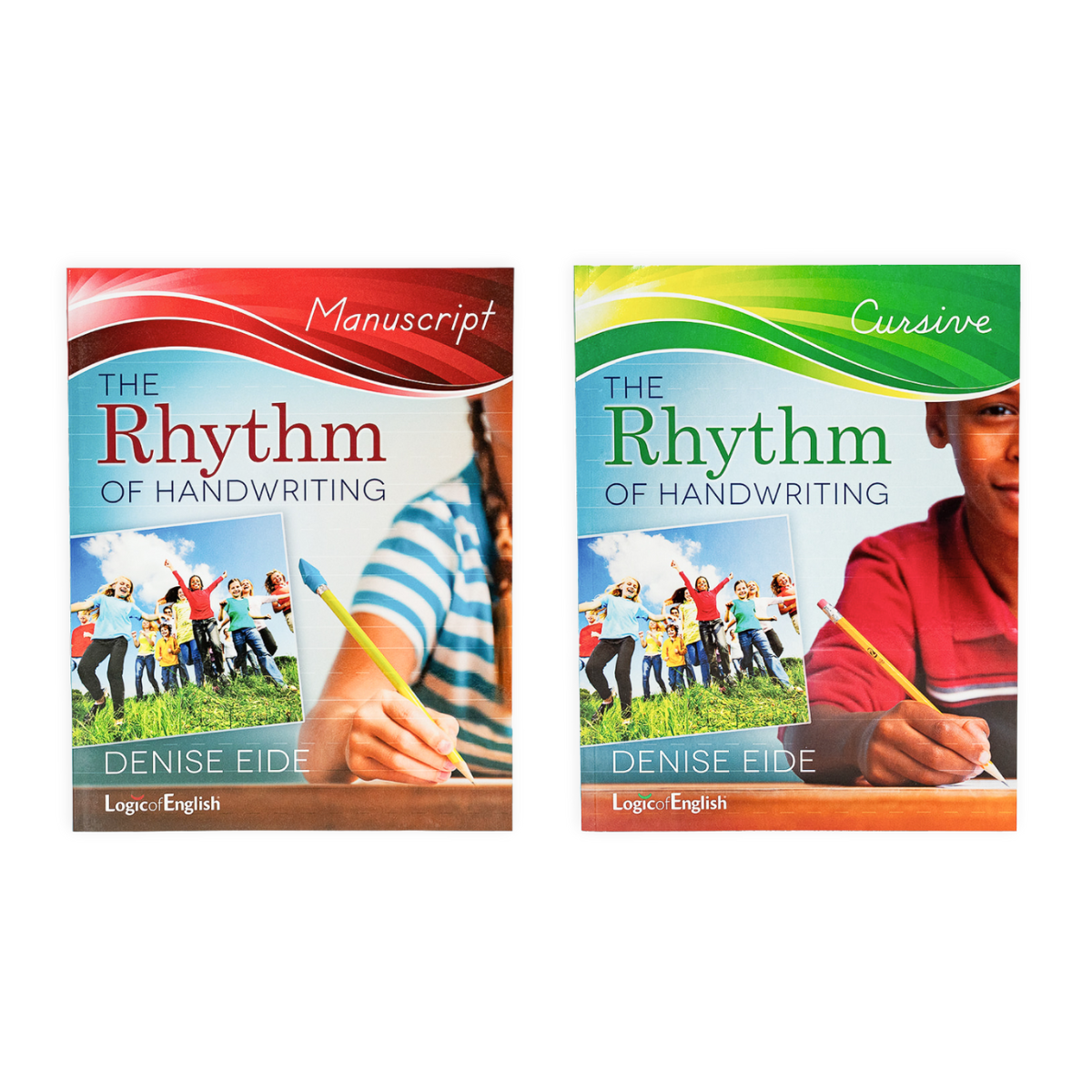
Student Book
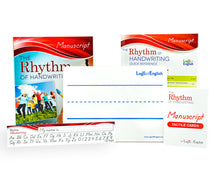
Rhythm of Handwriting Student Books support learning with large motor introduction to writing, ample practice, transition to writing words and phrases, and multiple line sizes so students can choose the size that is best for them.
-
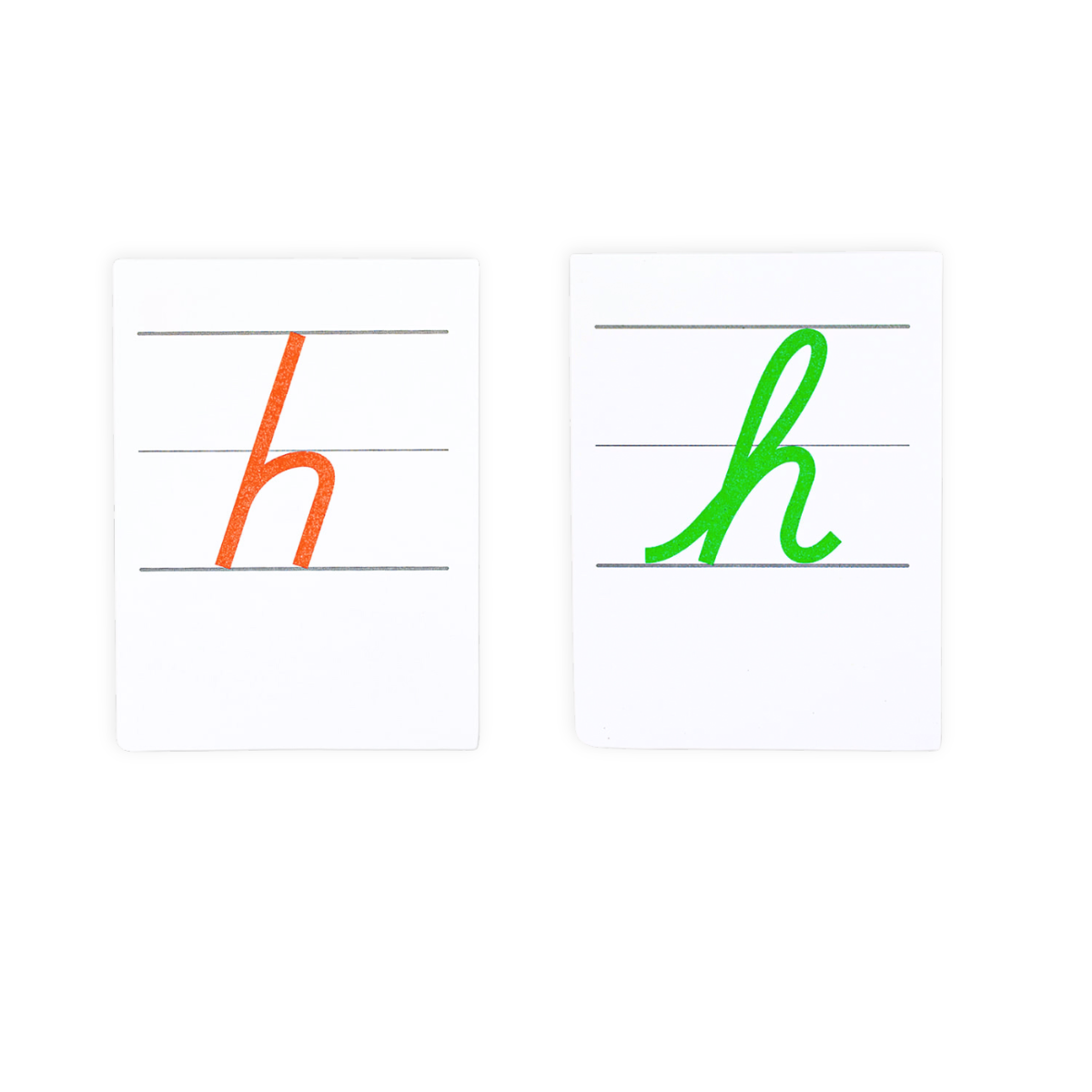
Tactile Cards
The gritty sandpaper texture is an ideal tactile way to introduce letters. Complete and shortened instructions are included for teacher reference.
-
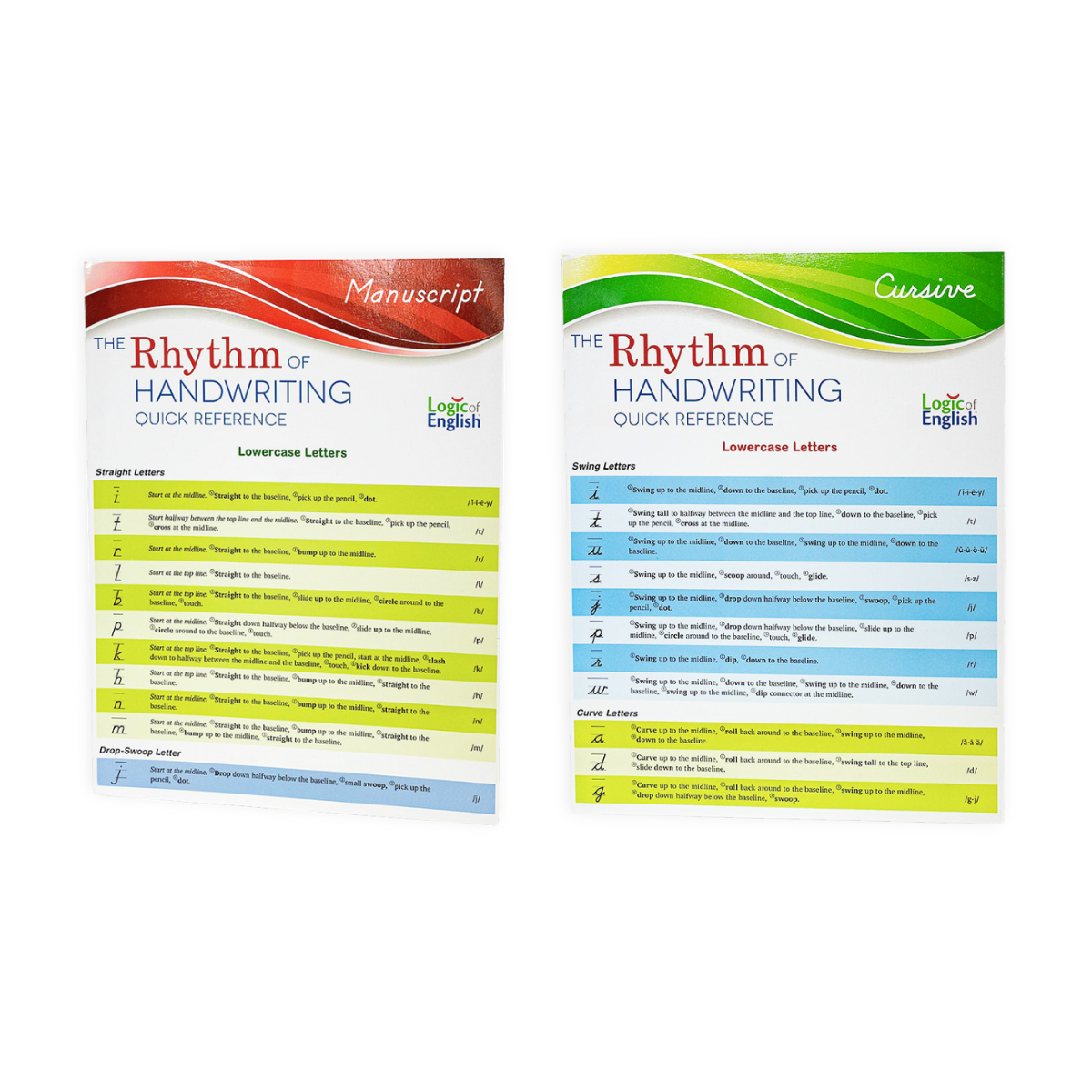
Quick Reference
With explicit instructions and the bold rhythmic instructions that set ROH apart from other handwriting programs, our quick reference is all you really need to teach handwriting.
-
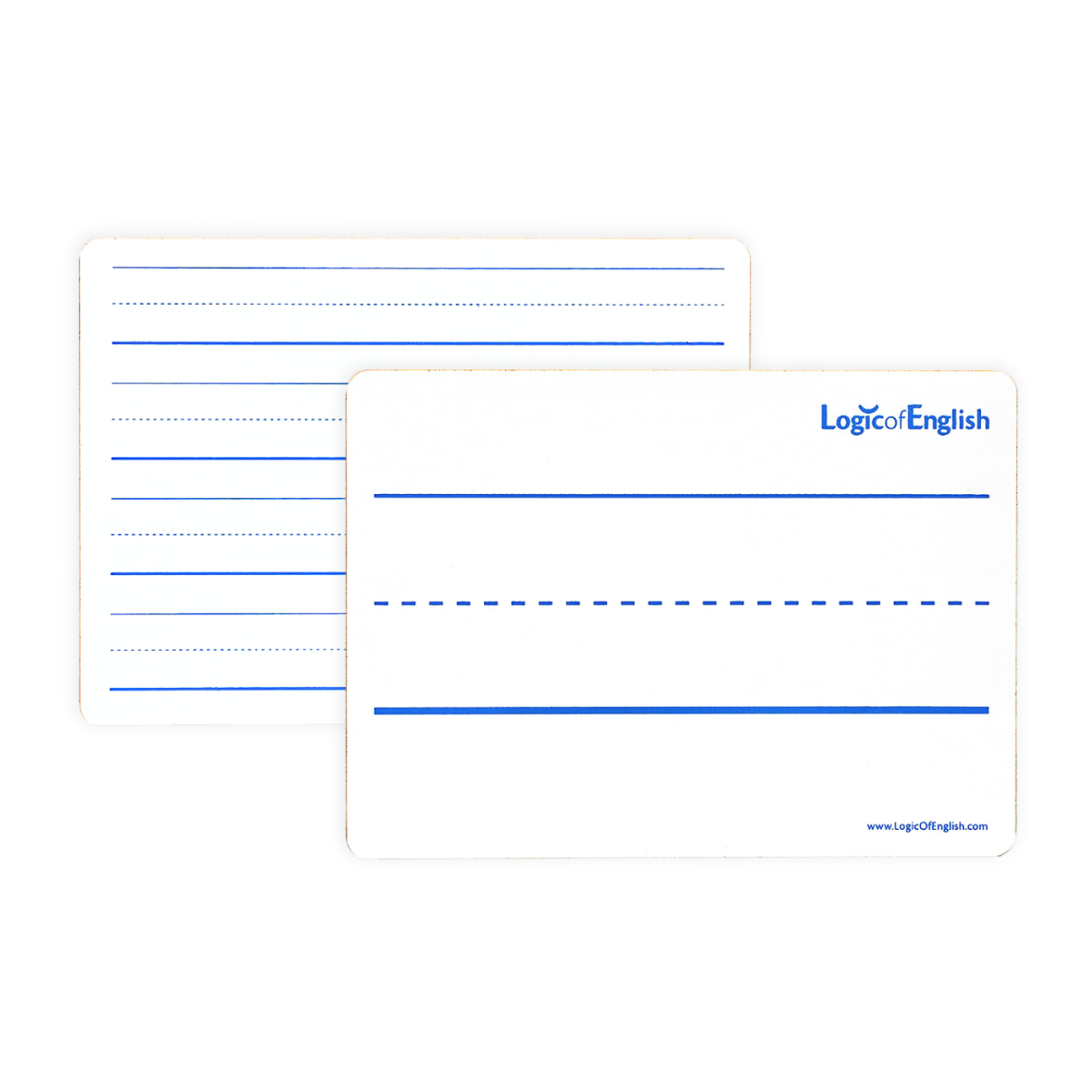
Whiteboard
A durable student response board with two line sizes. The larger size supports large motor movements, the smaller size is ideal for transitioning to smaller motor writing.
-
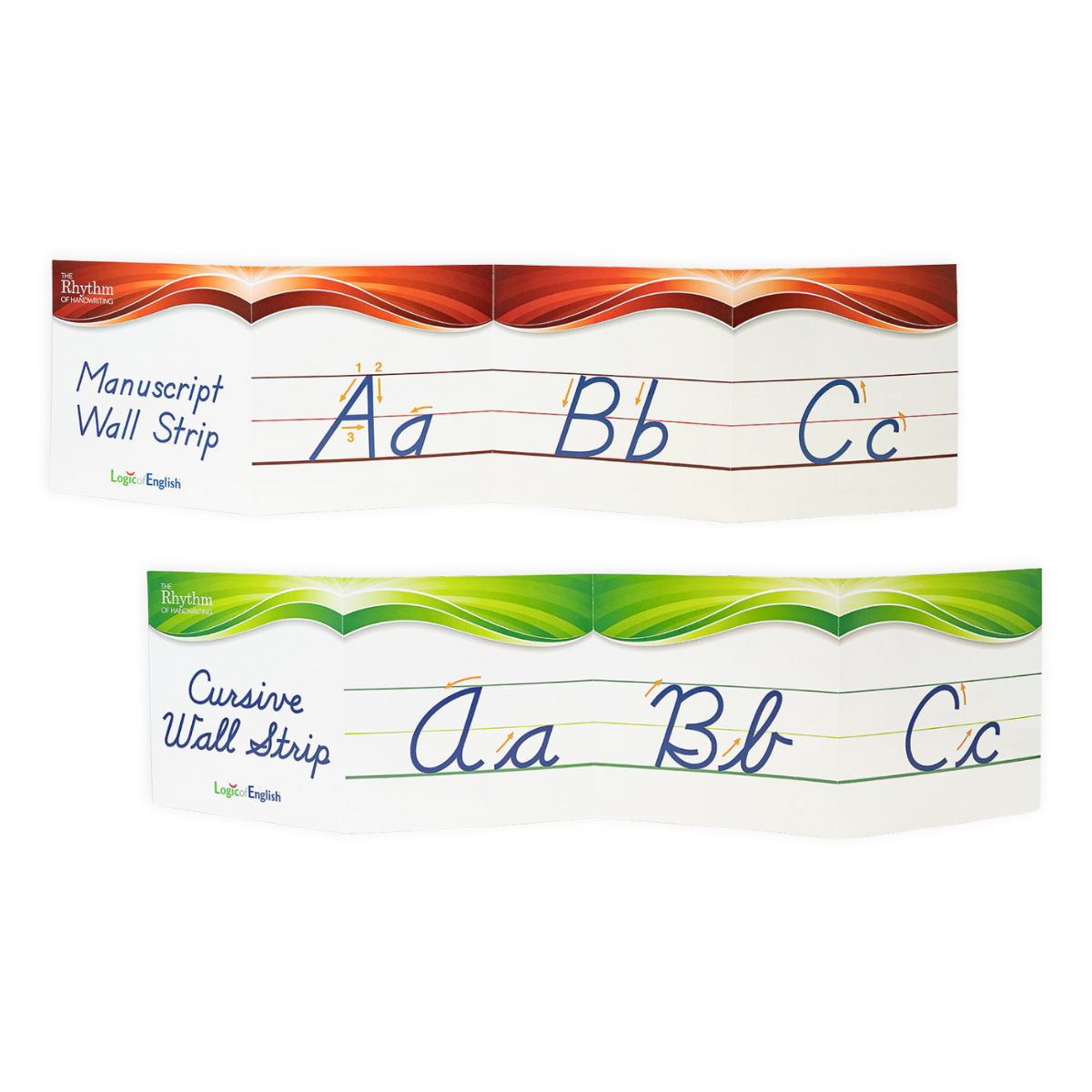
Wall Cards
Use Rhythm of Handwriting Wall Cards to introduce letters and create a visual classroom reference.
-
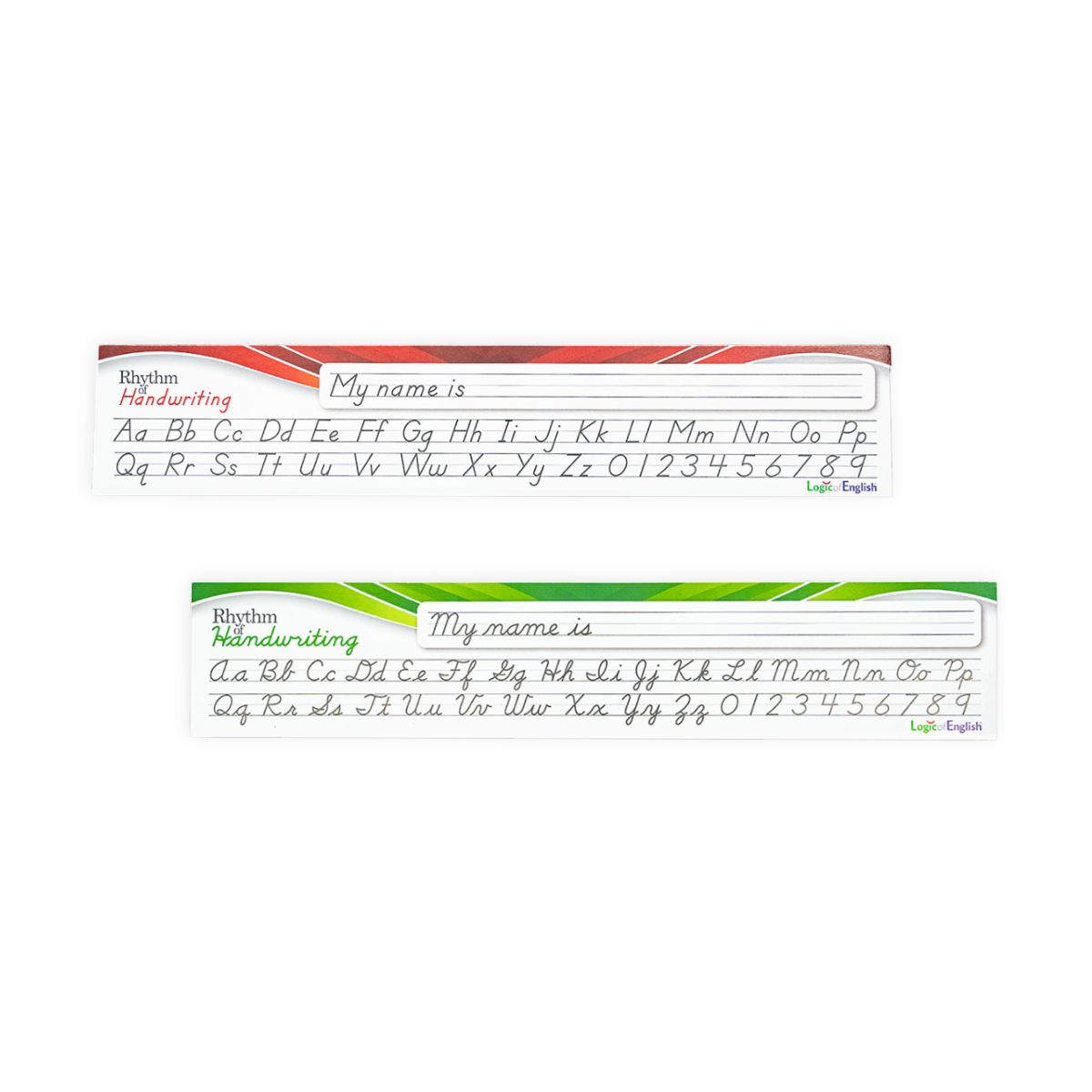
Desk Strips
Designed as a student reference, these are ideal to put on a student desk or notebook.
Should I Teach Cursive or Manuscript?
Why Teach Cursive?

Minimize Reversals
Less Fine Motor
Fewer Errors
One Starting Point for Lowercase
Builds Confidence
Why Teach Manuscript?

Required
Minimize Curriculum Changes
Closely Related to Fonts in Books
Widely Recognized
Maps, Posters, and Forms
Shop Cursive
-
 Save 10%
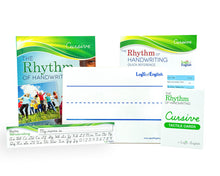
Rhythm of Handwriting Cursive Bundle
Regular price $ 62.06 USDSale price $ 62.06 USD Regular priceUnit price per$ 68.95 USD -
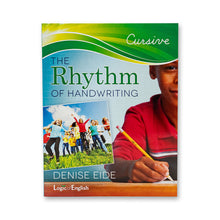
Rhythm of Handwriting Student Book - Cursive
Regular price $ 11.99 USDSale price $ 11.99 USD Regular priceUnit price per -
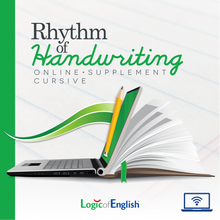
ROH Online Supplement: Cursive
Regular price $ 12.99 USDSale price $ 12.99 USD Regular priceUnit price per -
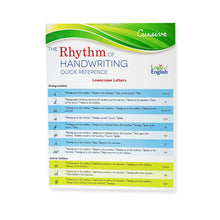
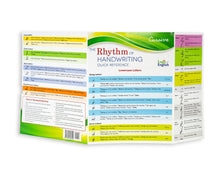
Rhythm of Handwriting Quick Reference - Cursive
Regular price $ 9.99 USDSale price $ 9.99 USD Regular priceUnit price per -
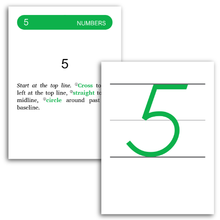
Rhythm of Handwriting Tactile Cards - Cursive
Regular price $ 29.99 USDSale price $ 29.99 USD Regular priceUnit price per -
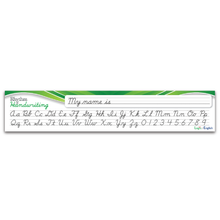
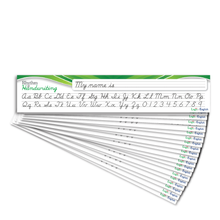
Rhythm of Handwriting Desk Strip - Cursive
Regular price $ 1.99 USDSale price $ 1.99 USD Regular priceUnit price per
Shop Manuscript
-
 Save 10%
Rhythm of Handwriting Manuscript Bundle
Regular price $ 62.06 USDSale price $ 62.06 USD Regular priceUnit price per$ 68.95 USD -
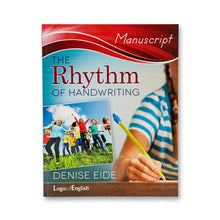
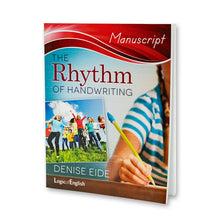
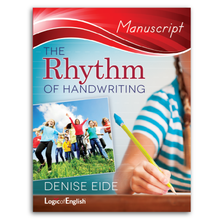
Rhythm of Handwriting Student Book - Manuscript
Regular price $ 11.99 USDSale price $ 11.99 USD Regular priceUnit price per -
ROH Online Supplement: Manuscript
Regular price $ 12.99 USDSale price $ 12.99 USD Regular priceUnit price per -
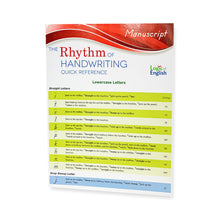
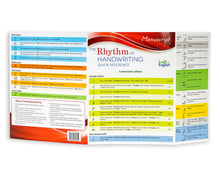
Rhythm of Handwriting Quick Reference - Manuscript
Regular price $ 9.99 USDSale price $ 9.99 USD Regular priceUnit price per -
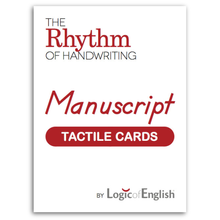
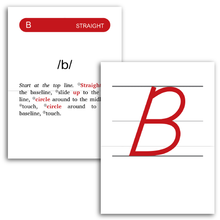
Rhythm of Handwriting Tactile Cards - Manuscript
Regular price $ 29.99 USDSale price $ 29.99 USD Regular priceUnit price per -
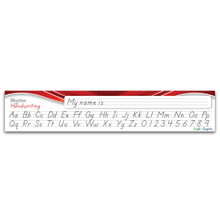
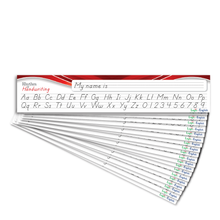
Rhythm of Handwriting Desk Strip - Manuscript
Regular price $ 1.99 USDSale price $ 1.99 USD Regular priceUnit price per
References
Early, G. H., Nelson, D. A., Kleber, D. J., Treegoob, M., Huffman, E., & Cass, C. (1976). Cursive Handwriting, Reading, and Spelling Achievement. Intervention in School and Clinic, 12(1), 67–74. https://doi.org/10.1177/105345127601200105
Montgomery, D. (2012). Dyslexia - A Comprehensive and International Approach. https://doi.org/10.5772/30994
Morales-Rando, C., Pérez-Jorge, D., Strbová, L., & Ariño-Mateo, E. (2022). Manuscript vs cursive writing. Learning to write in primary education. Education 3-13, 50(7), 880–892. https://doi.org/10.1080/03004279.2021.1916053