
Phonogram Facts
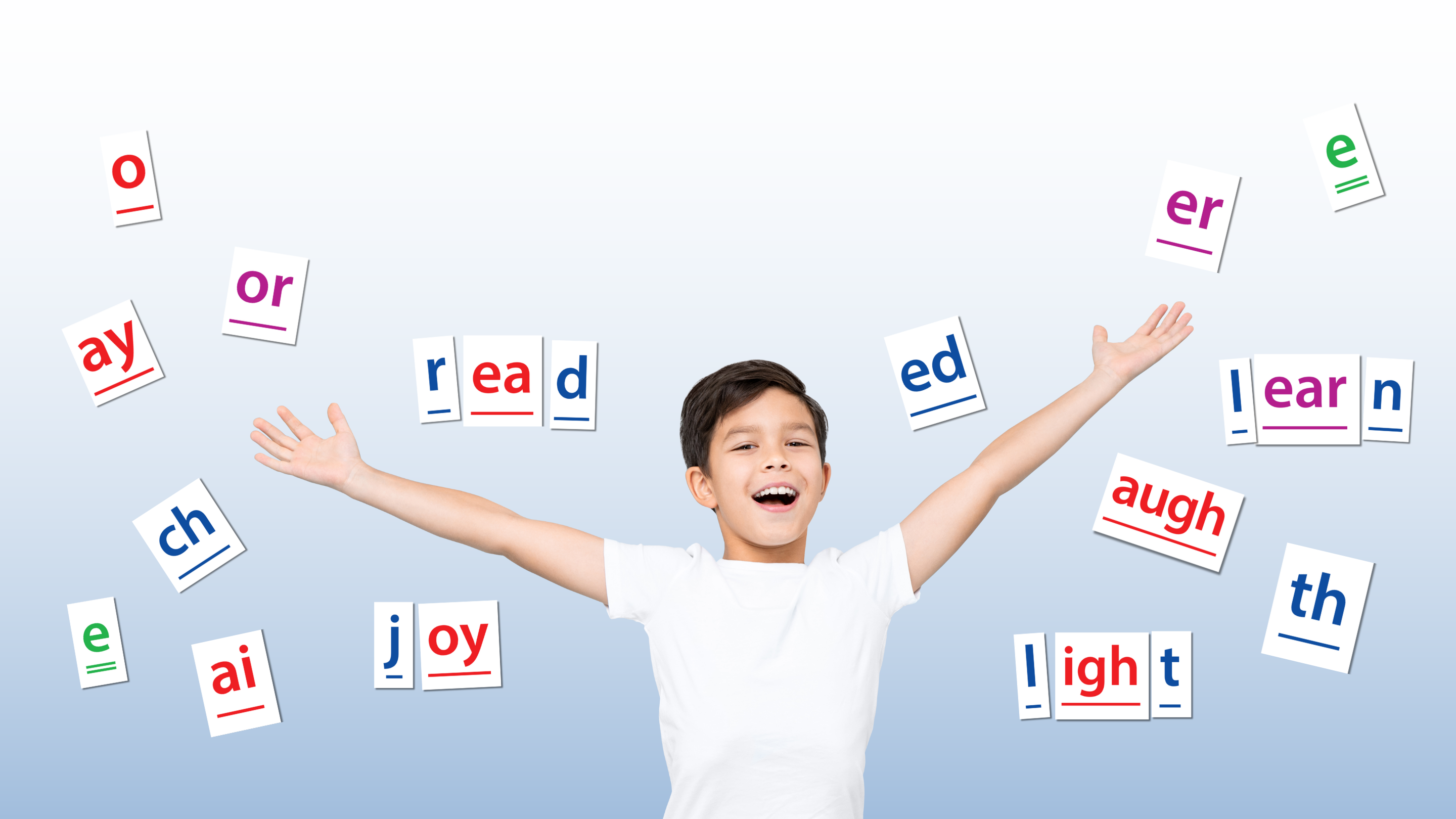
In Greek, phono means sound and gram means picture, so phonograms are pictures of sounds.
-
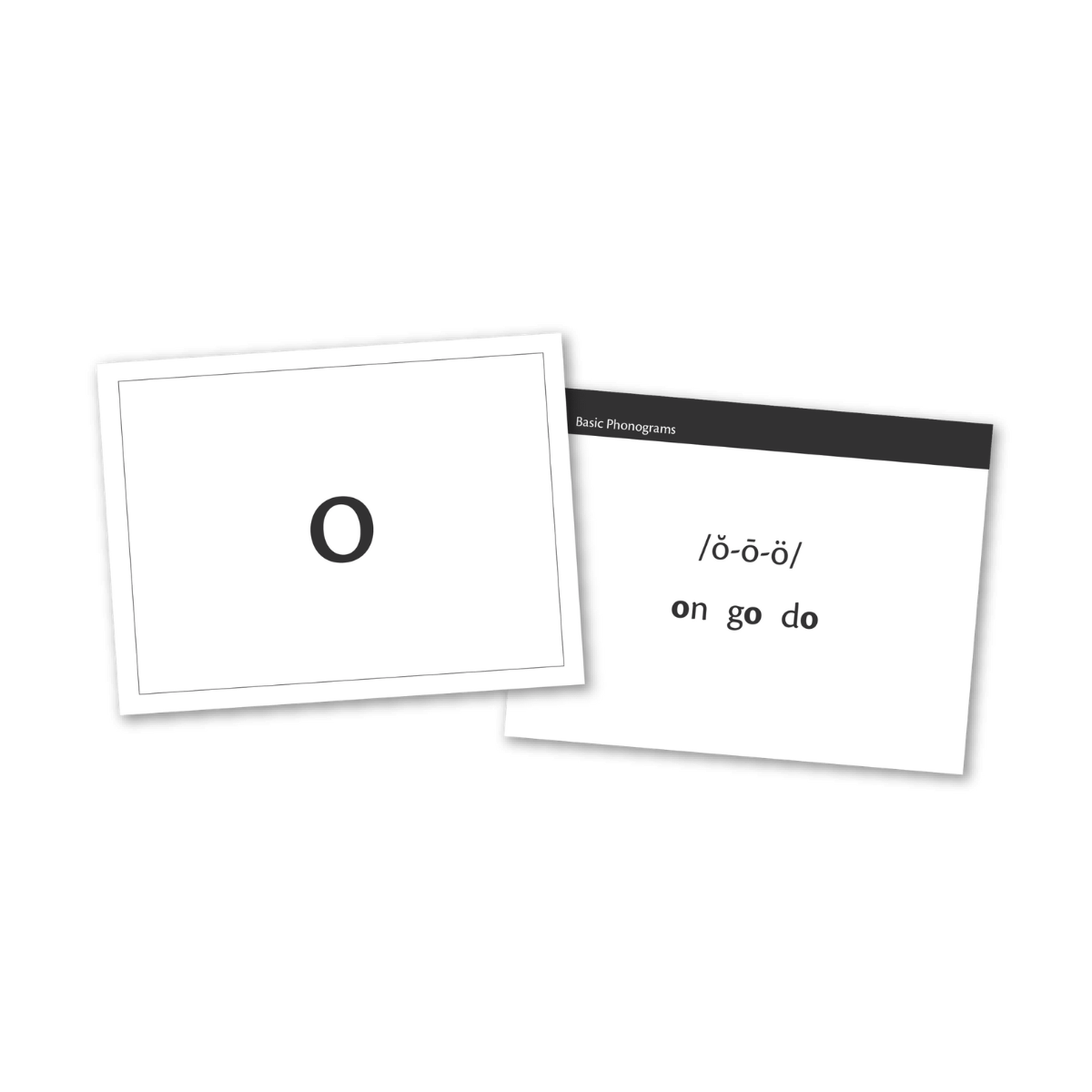
Phonograms can make between one and six sounds.
Phonograms can represent one sound such as m in mop; two sounds such as g in goat and gem; three sounds such as o in top, hope, and to, and on rare occasions, four, five, or six sounds.
-
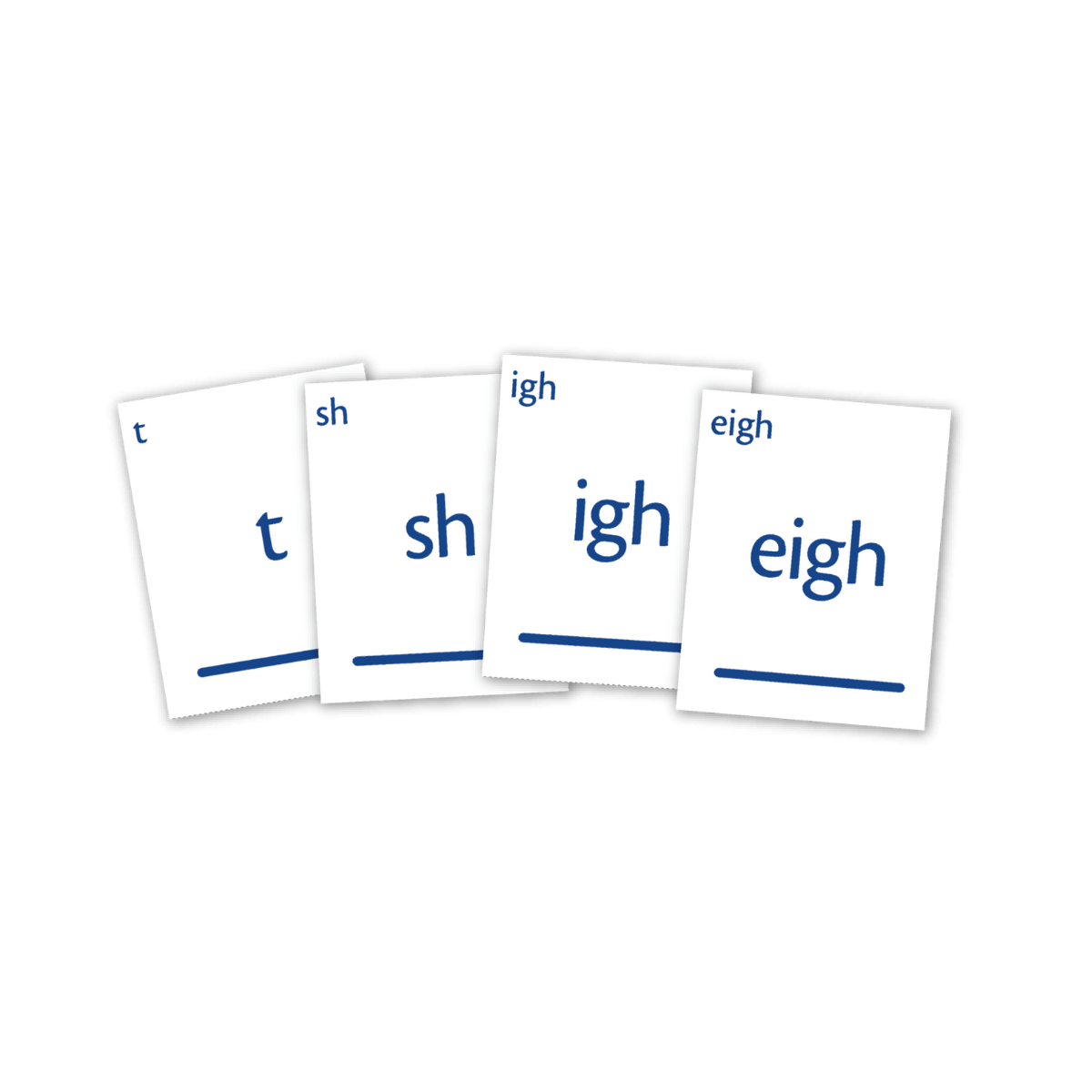
Phonograms may be spelled with more than one letter.
Phonograms can be spelled with one letter like t, two letters like sh, three letters like igh, or four letters like eigh.
Tips for Teaching Phonograms

Emphasize the sounds, not the letter names.
Sounds, not letter names, help students read and spell. Once a student knows the sounds of the phonograms, the student can blend the sounds to discover the word. Practice all of the phonogram sounds with our Interactive Phonogram Chart!
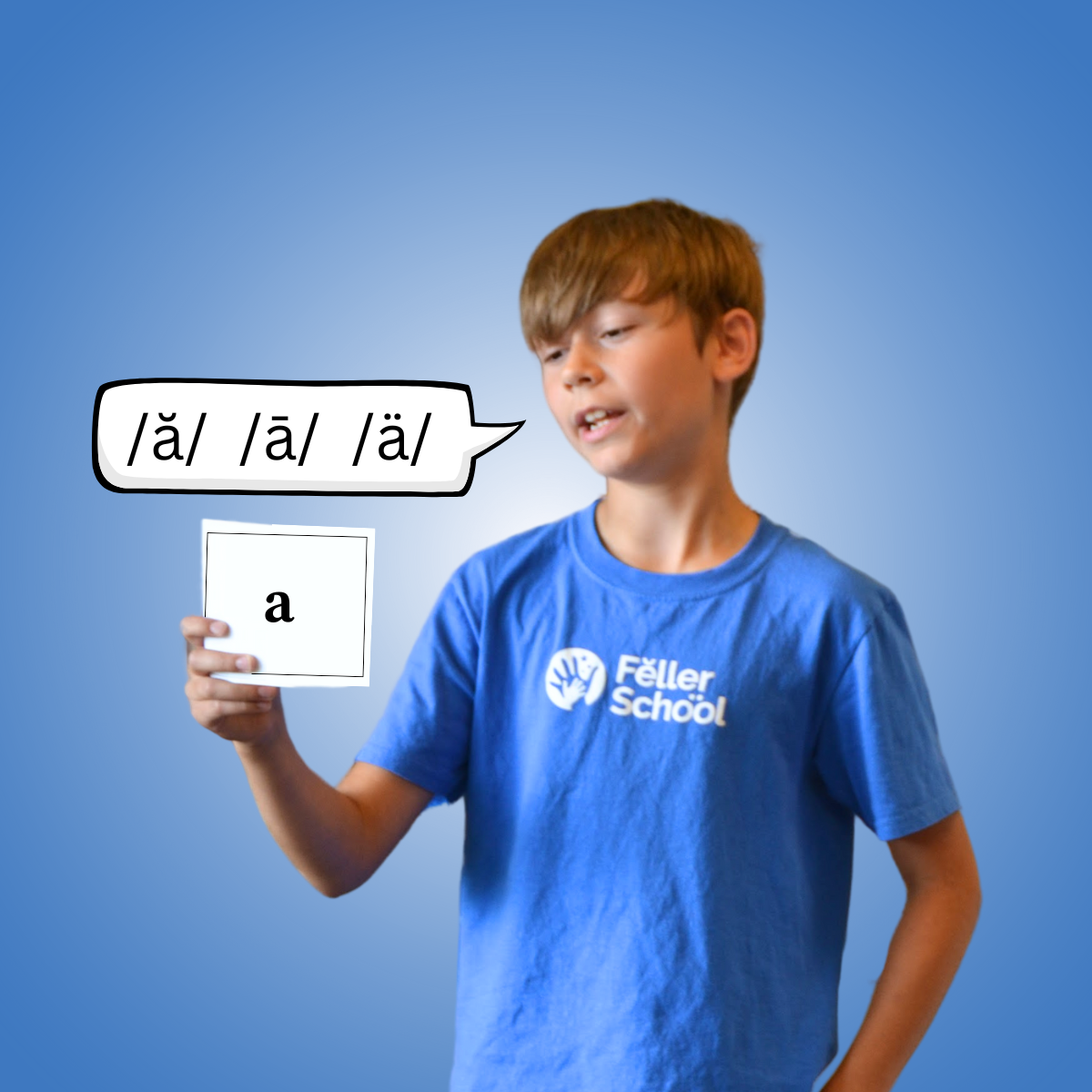
Teach all the sounds from the beginning.
Learning all the sounds provides students with vital information for decoding, eliminates unnecessary exceptions, and prevents confusion!
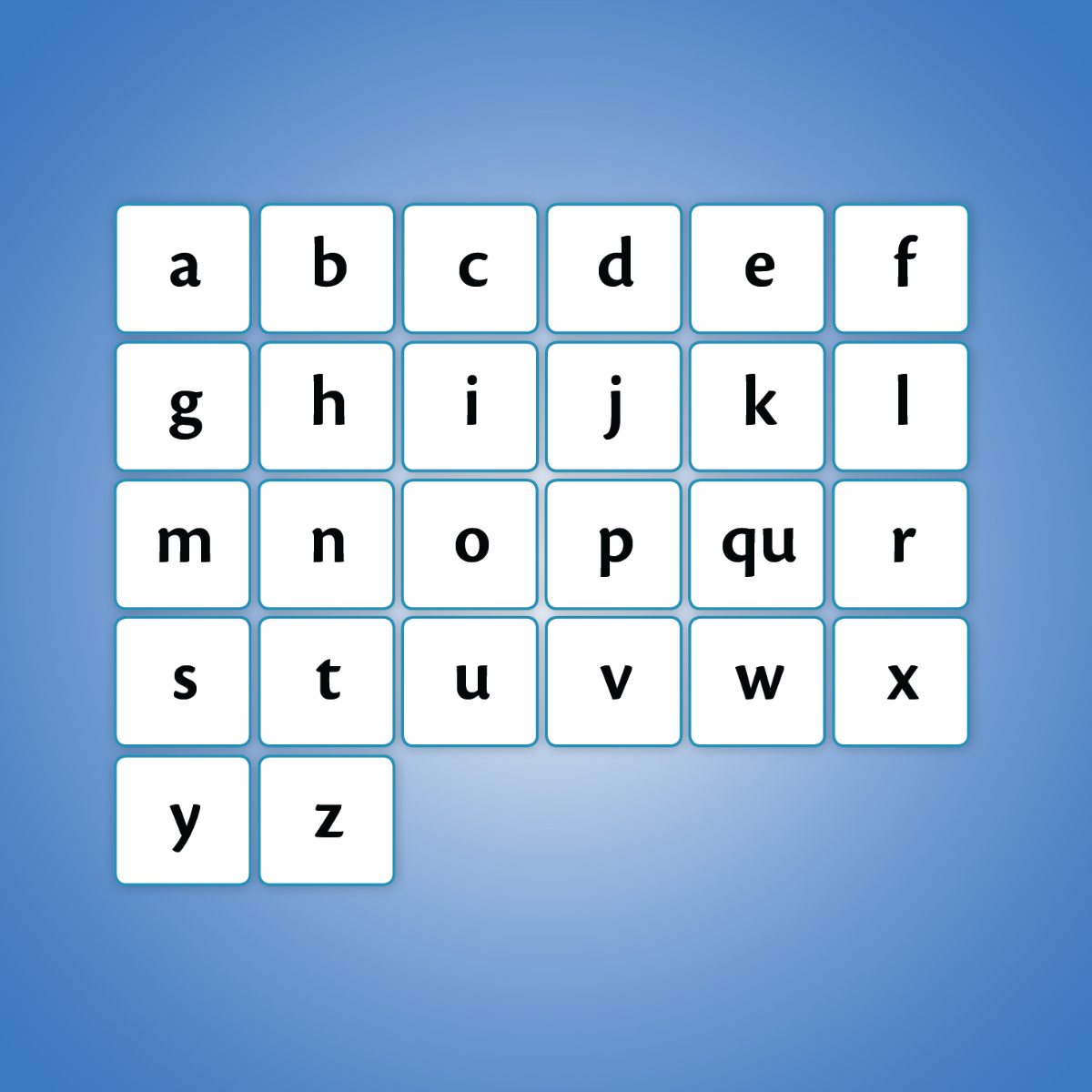
Start with A-Z.
Introducing the single-letter phonograms, plus QU, helps students become familiar with the shape of each letter and prepares them to read the multi-letter phonograms.
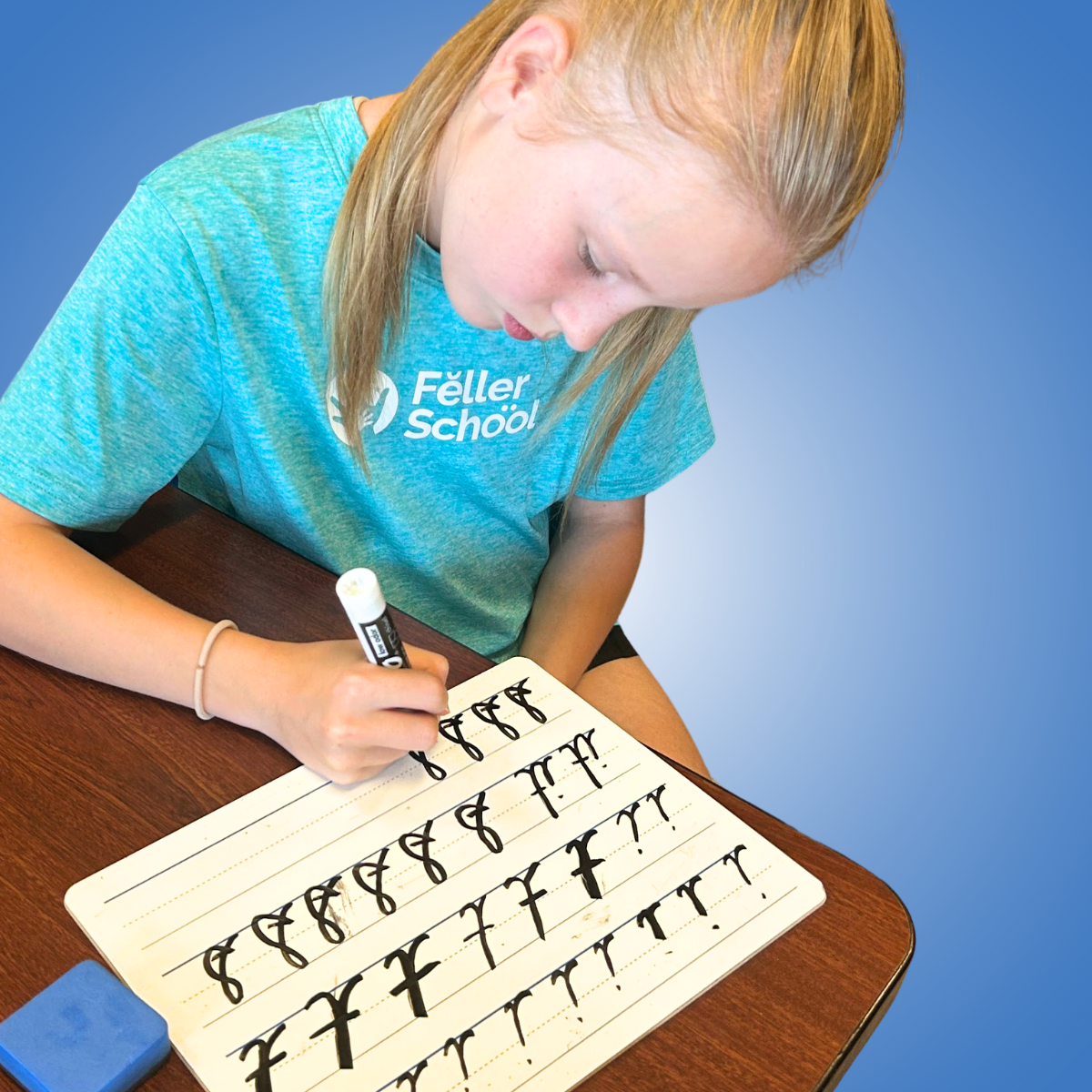
Teach students how to write the phonograms.
Reading research shows that learning to write the phonograms while saying the sounds activates the letterbox region of the brain, resulting in students learning the phonograms more quickly (Dehaene, 2013a; Longcamp et.al, 2008; Stavanger, 2011; Mangen & Velay, 2010).
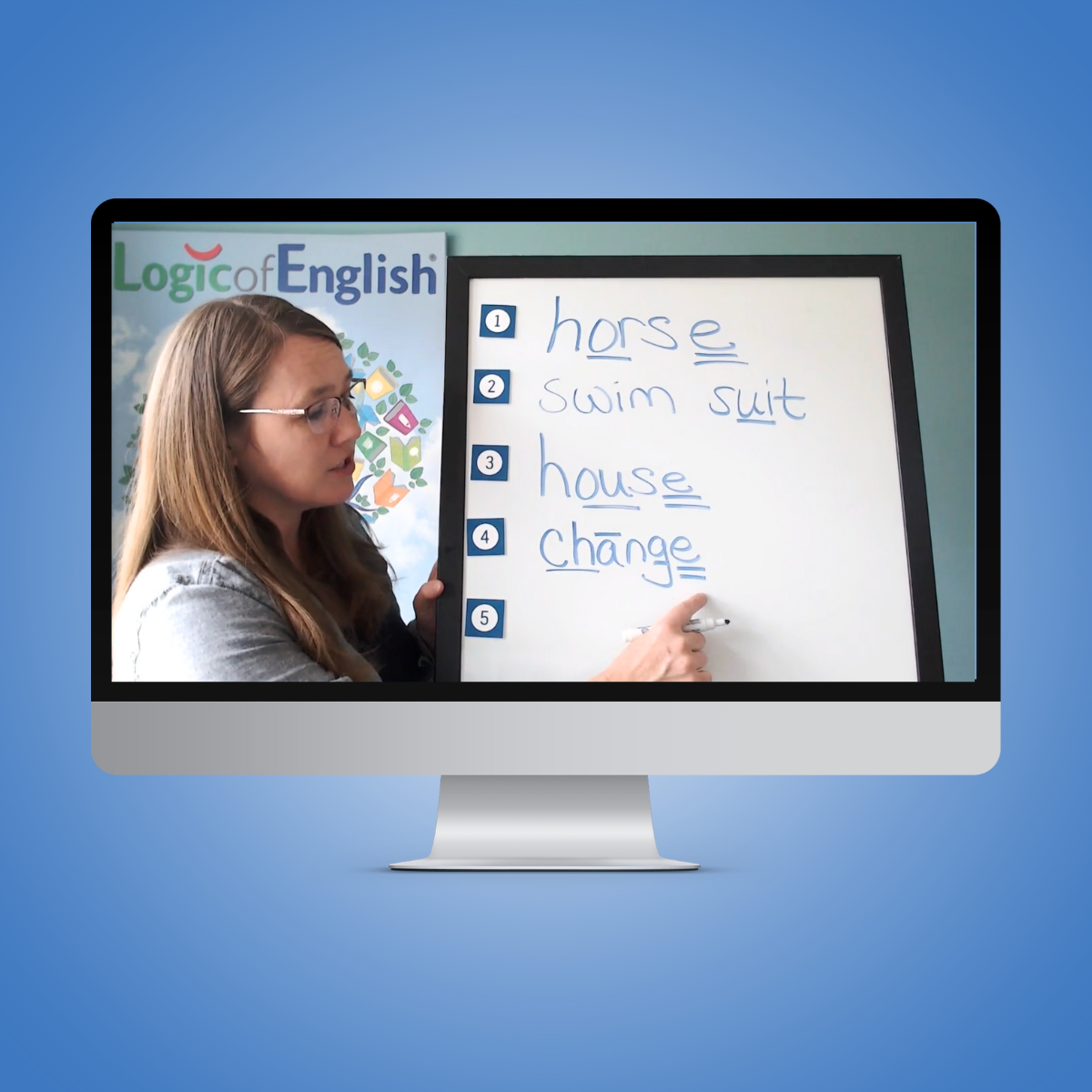
Analyze the use of phonograms to spell words.
When students analyze words and apply the phonograms, they develop the necessary tools to decode and encode without guessing.
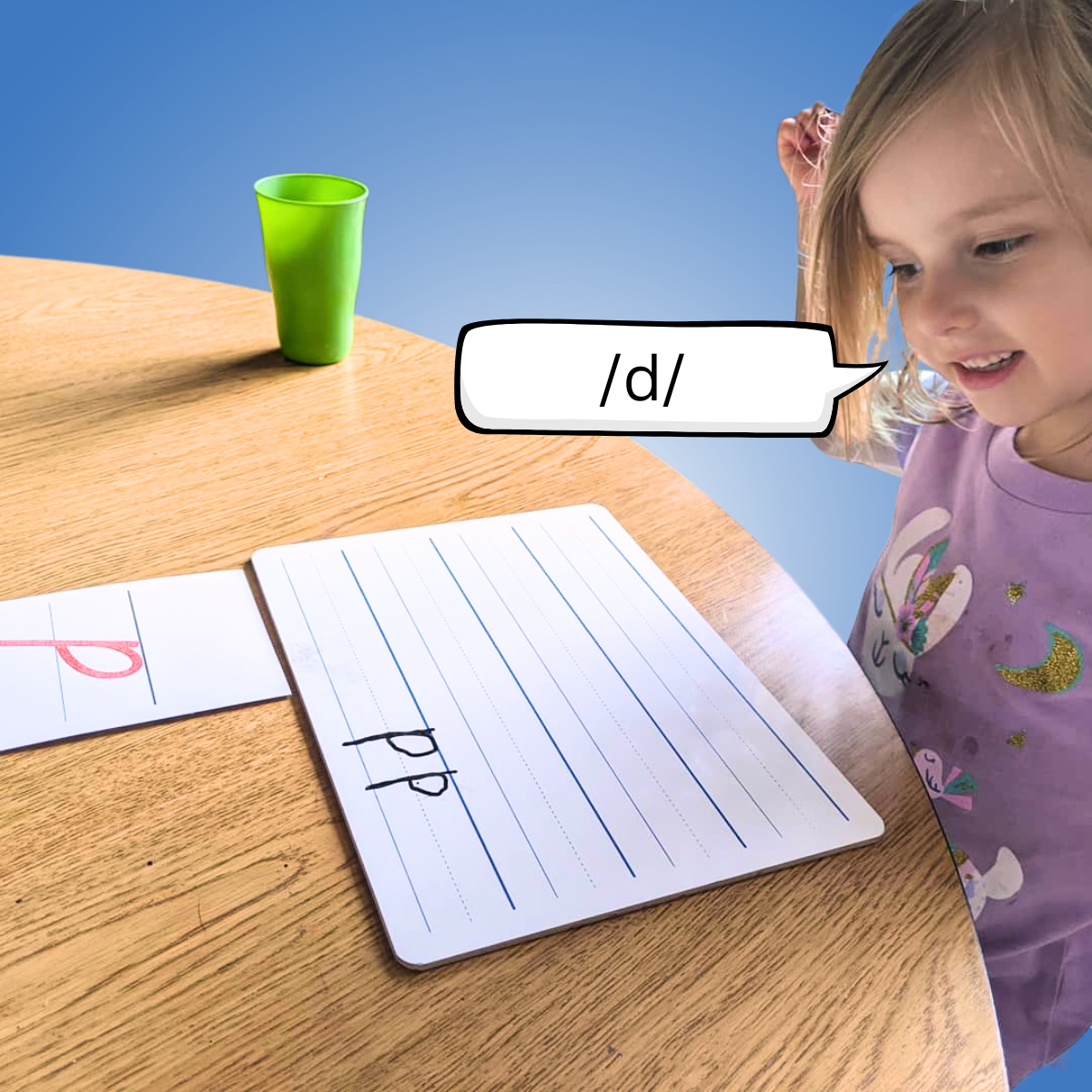
Teach using all the learning modalities.
When teaching phonograms, it is best to use all the learning modalities. When students hear, see, say, and write the phonograms, they master the letter-sound correspondences more quickly.

Practice with games.
Students who play a wide variety of educational games enjoy learning and master the skills faster.
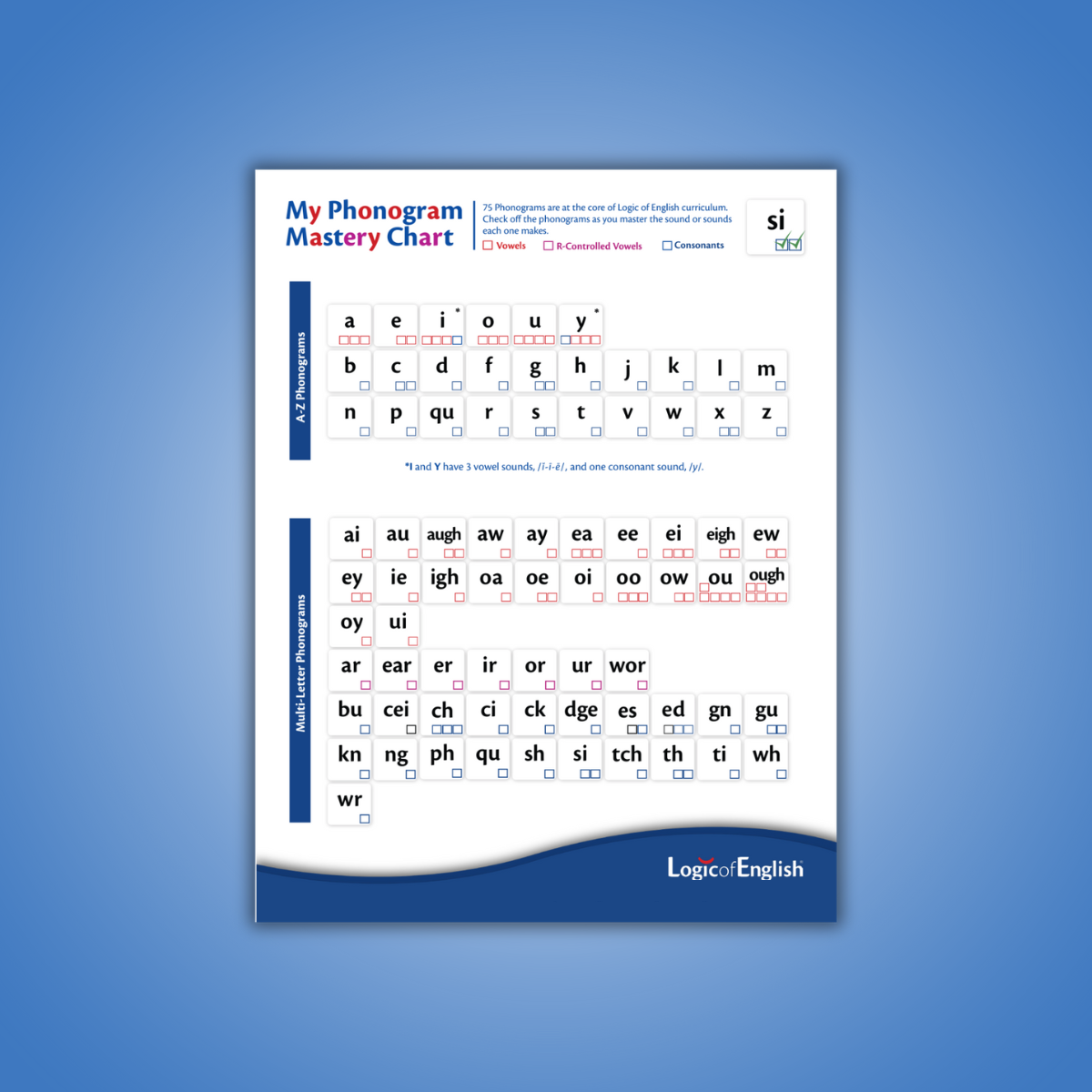
Teach the basic phonograms to mastery.
Knowing the basic phonograms provides students with the vital information needed to read and spell. Students have developed mastery when they see a phonogram and can immediately and without hesitation recall the sounds.
Basic and Advanced Phonograms
-
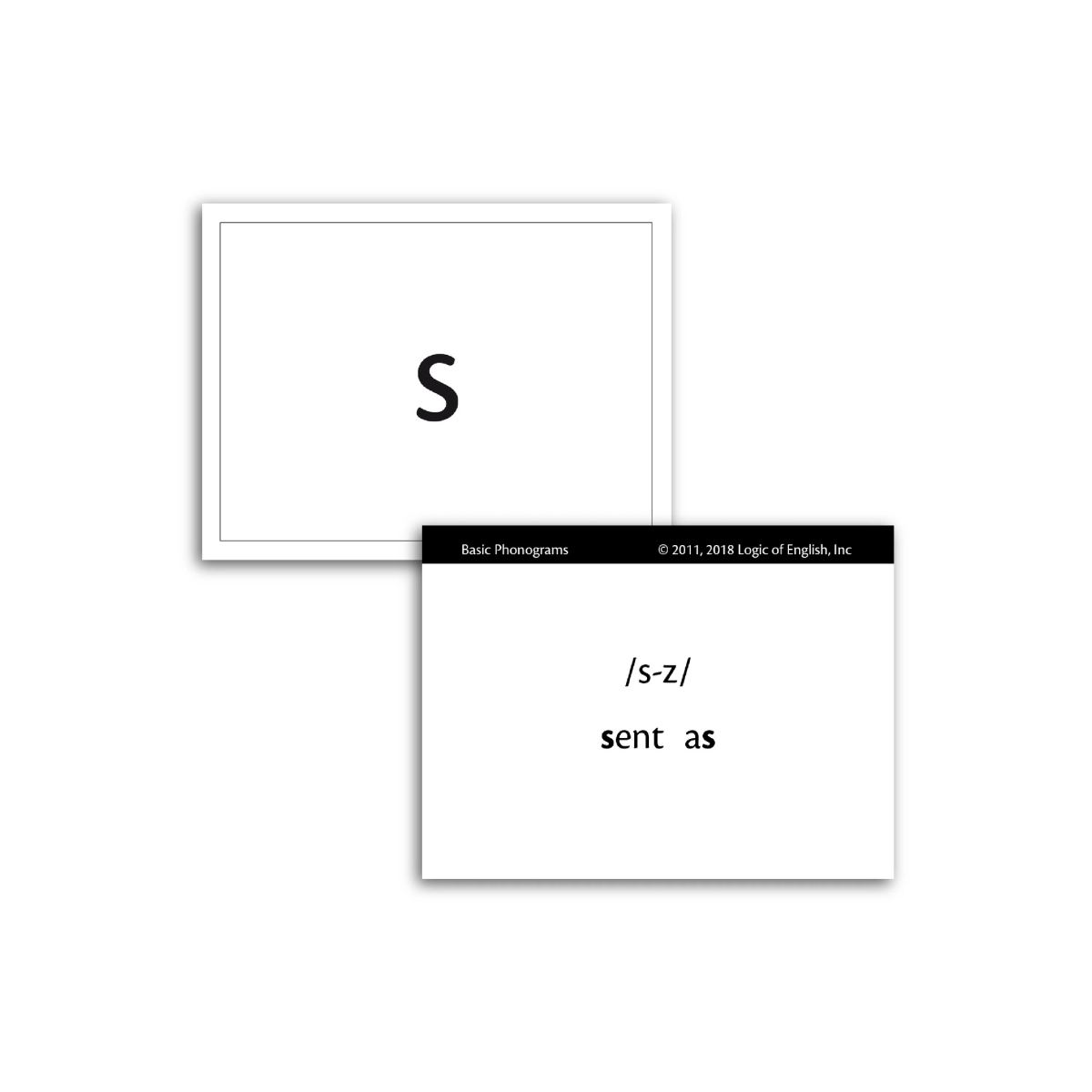
Basic Phonograms
Basic phonograms are found in high-frequency words and/or are used extensively in English spelling. Basic phonograms are best taught explicitly and to mastery. Logic of English teaches 75 basic phonograms.
-
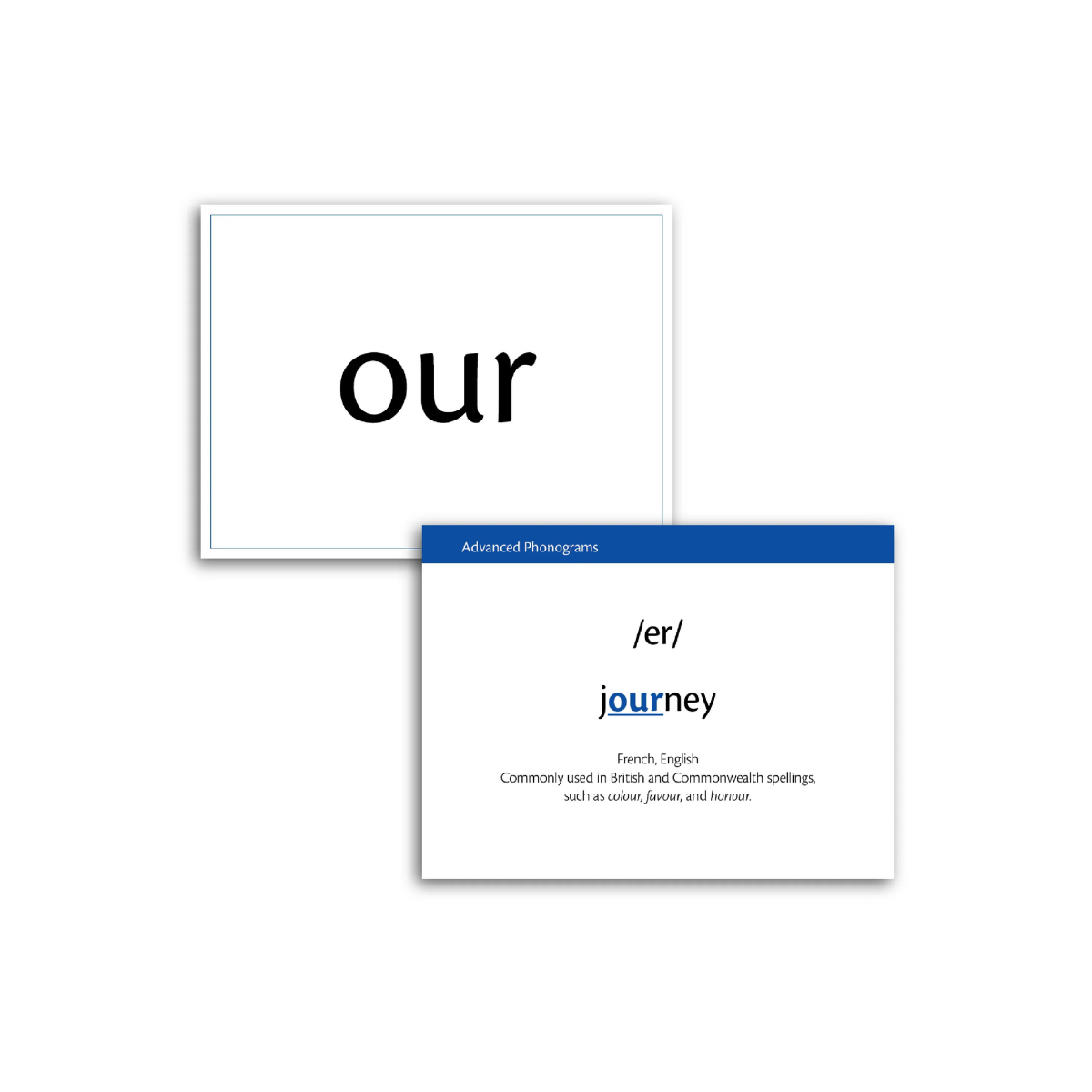
Advanced Phonograms
Advanced phonograms are used in advanced vocabulary or words imported from another language. When students understand the basic phonograms, most students will implicitly learn how to decode advanced phonograms.
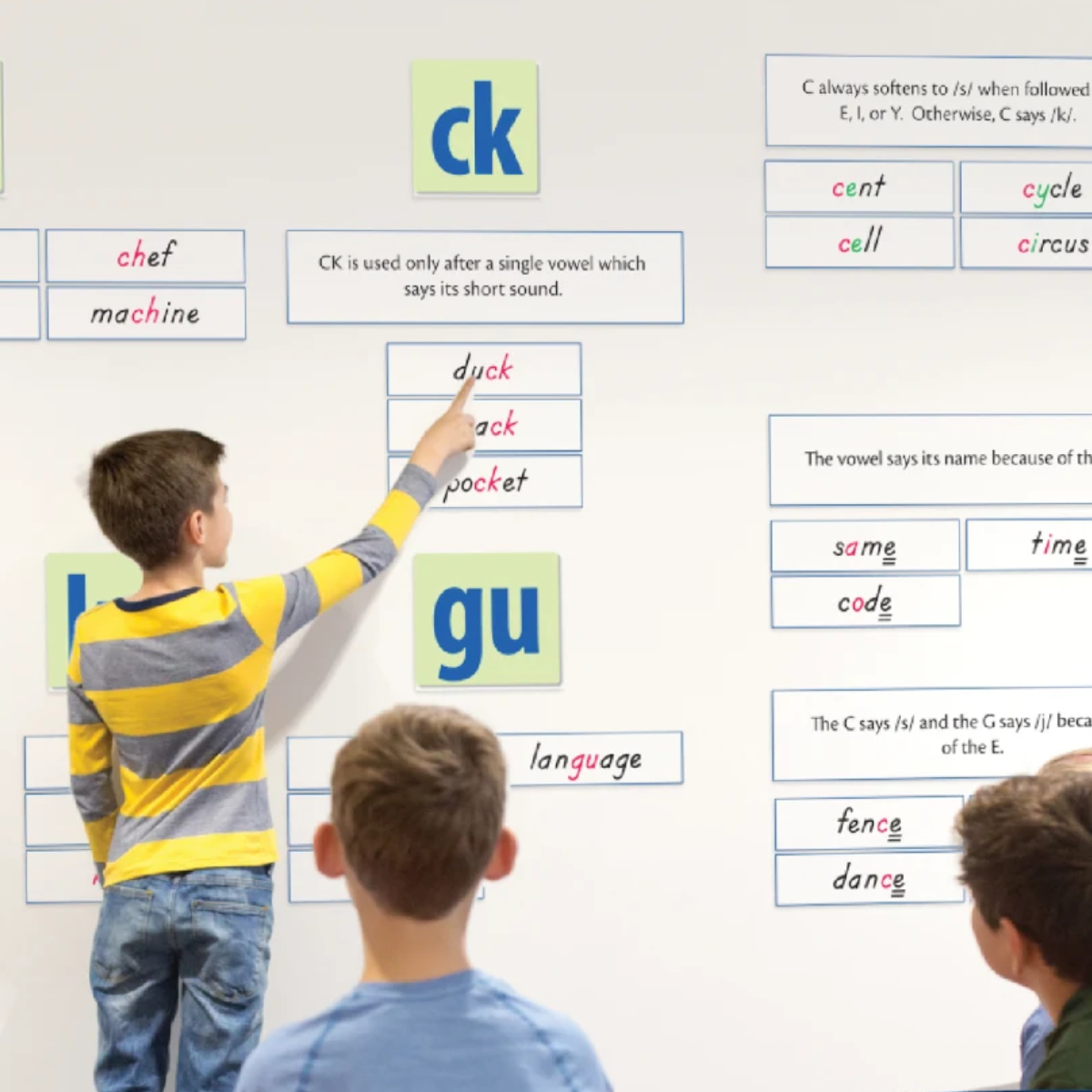
Free Phonogram and Spelling Rule Wall Template
Support students learning the phonograms and spelling rules by collecting words under each phonogram.
Shop Phonogram Resources
-
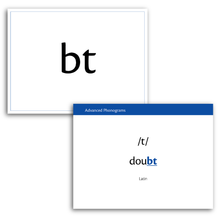
Advanced Phonogram Flash Cards
Regular price $ 18.99 USDSale price $ 18.99 USD Regular priceUnit price per -
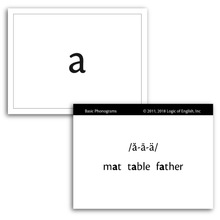
Basic Phonogram Flash Cards
Regular price $ 19.99 USDSale price $ 19.99 USD Regular priceUnit price per -
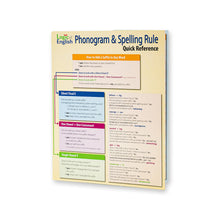
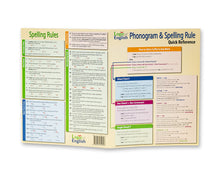
Phonogram & Spelling Rule Quick Reference
Regular price $ 12.99 USDSale price $ 12.99 USD Regular priceUnit price per -
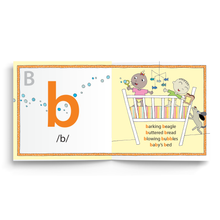
Doodling Dragons: An ABC Book of Sounds
Regular price $ 15.99 USDSale price $ 15.99 USD Regular priceUnit price per -
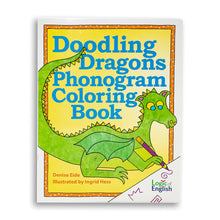
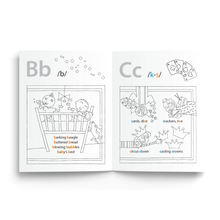
Doodling Dragons Phonogram Coloring Book
Regular price $ 6.99 USDSale price $ 6.99 USD Regular priceUnit price per -
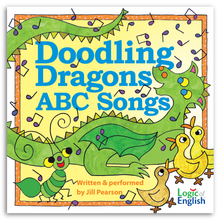
Doodling Dragons ABC Songs MP3
Regular price $ 9.99 USDSale price $ 9.99 USD Regular priceUnit price per
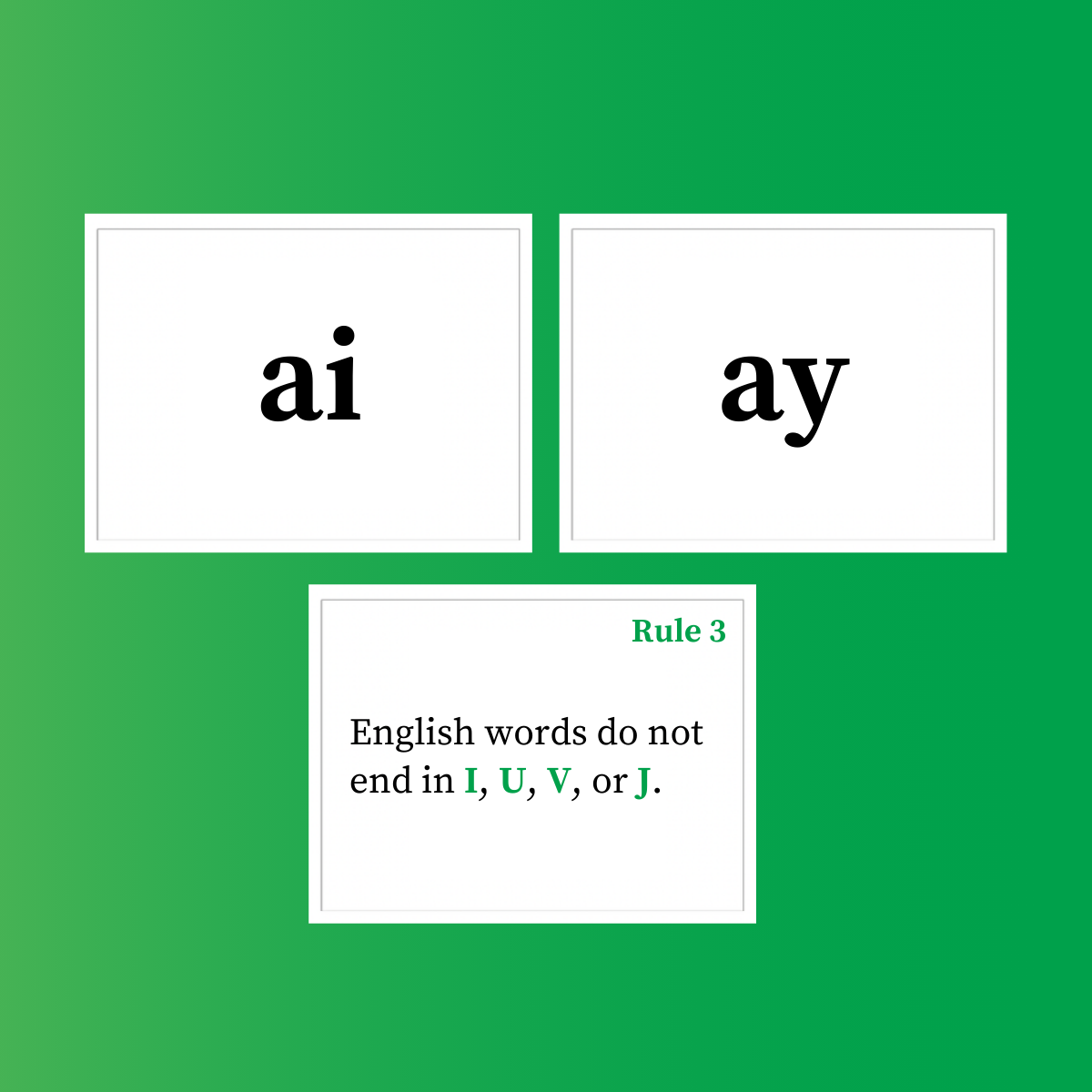
Phonograms work together with spelling rules.
Phonograms tell you the sounds each letter makes, but spelling rules tell you when they make each sound. In other words, spelling rules often explain why a phonogram is saying a particular sound.
References
Dehaene, S. (2013). Inside the Letterbox: How Literacy Transforms the Human Brain. Cerebrum, 2013:7. http://www.dana.org/news/cerebrum
Longcamp, M., Boucard, C., Gilhodes, J.-C., Anton, J.-L., Roth, M., Nazarian, B., & Velay, J.-L. (2008). Learning through Hand- or Typewriting Influences Visual Recognition of New Graphic Shapes: Behavioral and Functional Imaging Evidence. Journal of Cognitive Neuroscience, 20(5), 802–815. https://doi.org/10.1162/jocn.2008.20504
Mangen, A., & Velay, J.-L. (2010). Advances in Haptics. https://doi.org/10.5772/8710
Stavanger, T. U. of. (2011). Science Daily. Better Learning through Handwriting. https://www.sciencedaily.com/releases/2011/01/110119095458.htm